CAMINO STAGE 24: Salas to Campiello Camino Primitivo Route of El Camino Santiago. 23 Miles, Day 26, 11 days to go
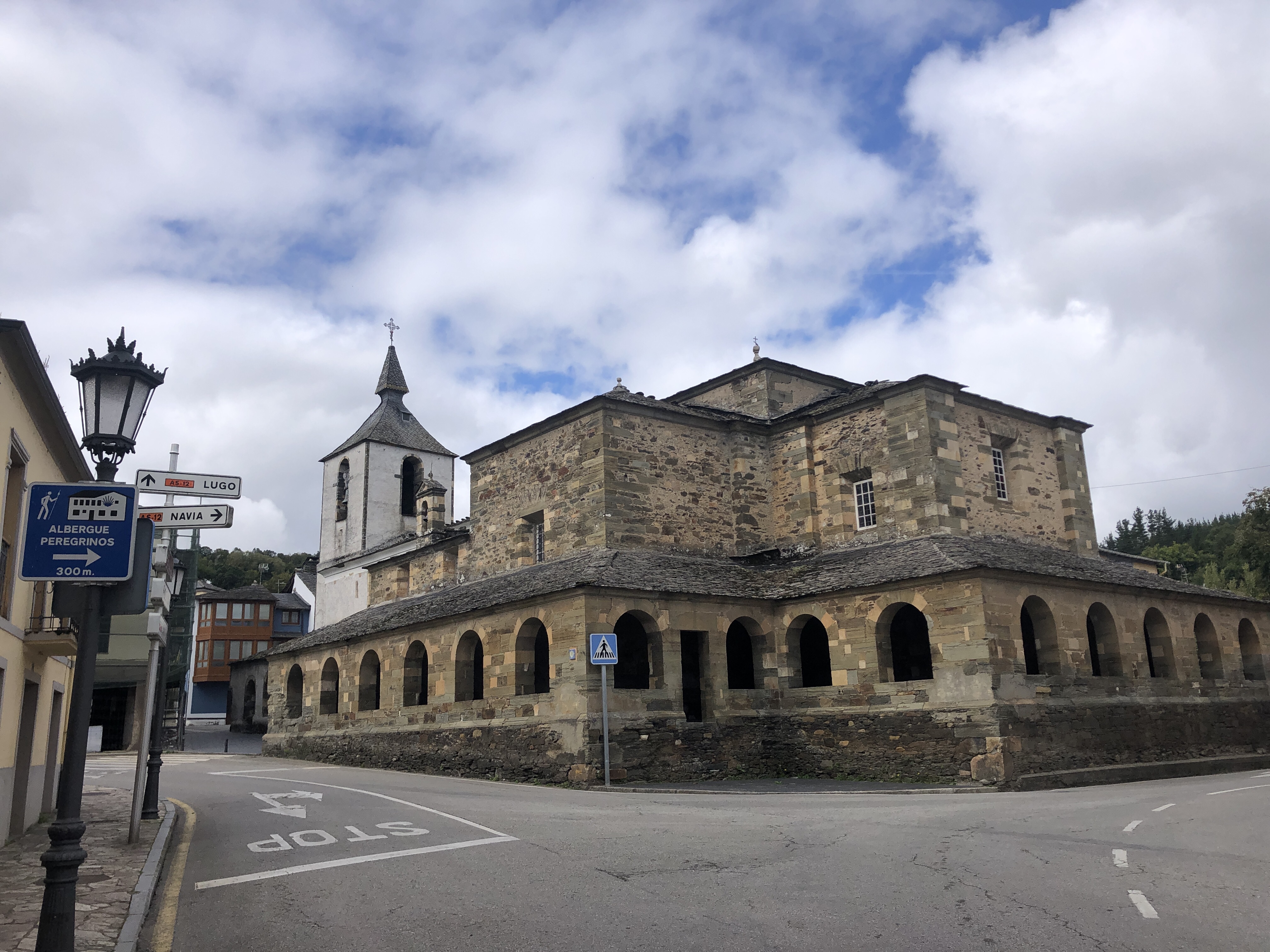
Tineo (Campiello)
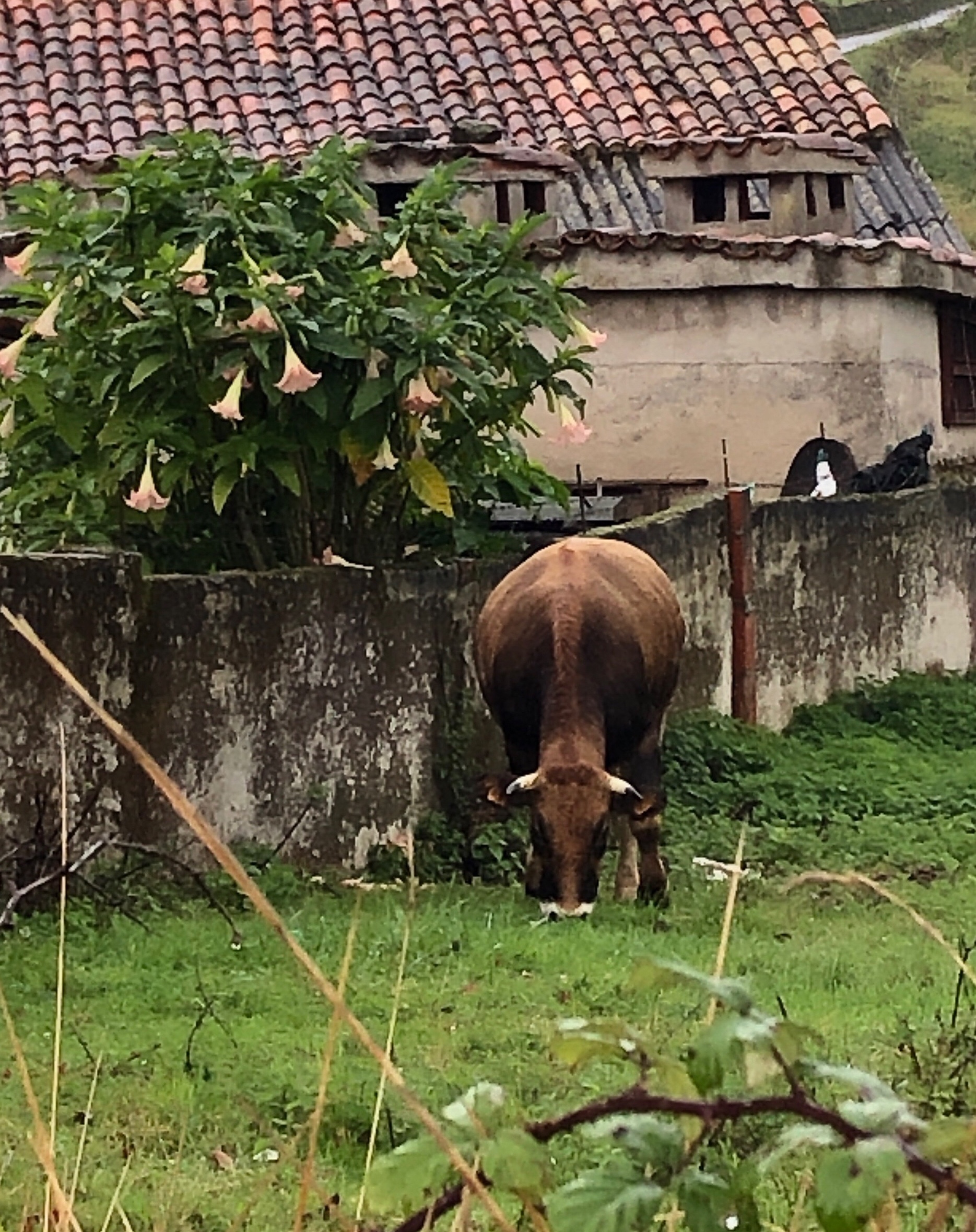
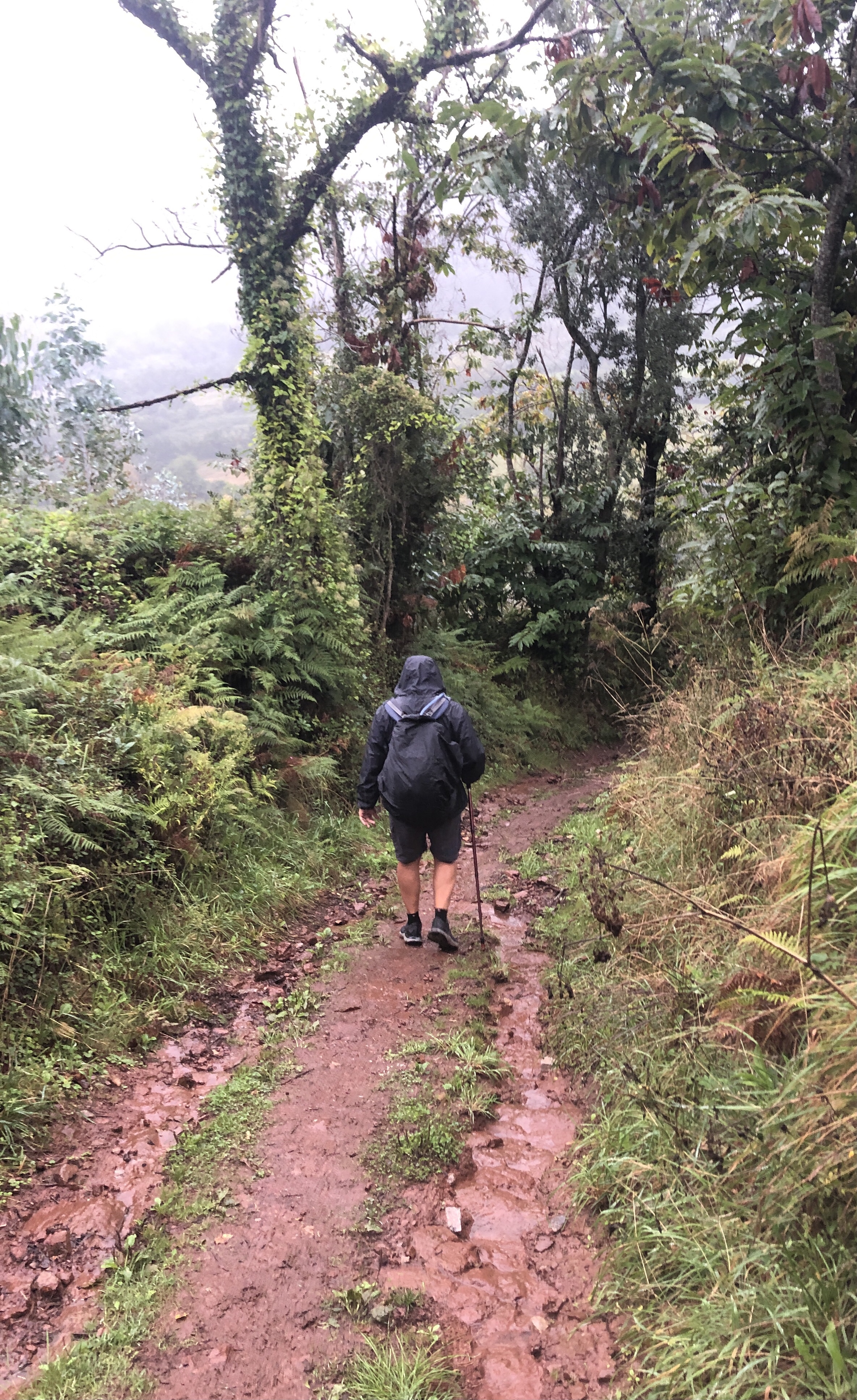
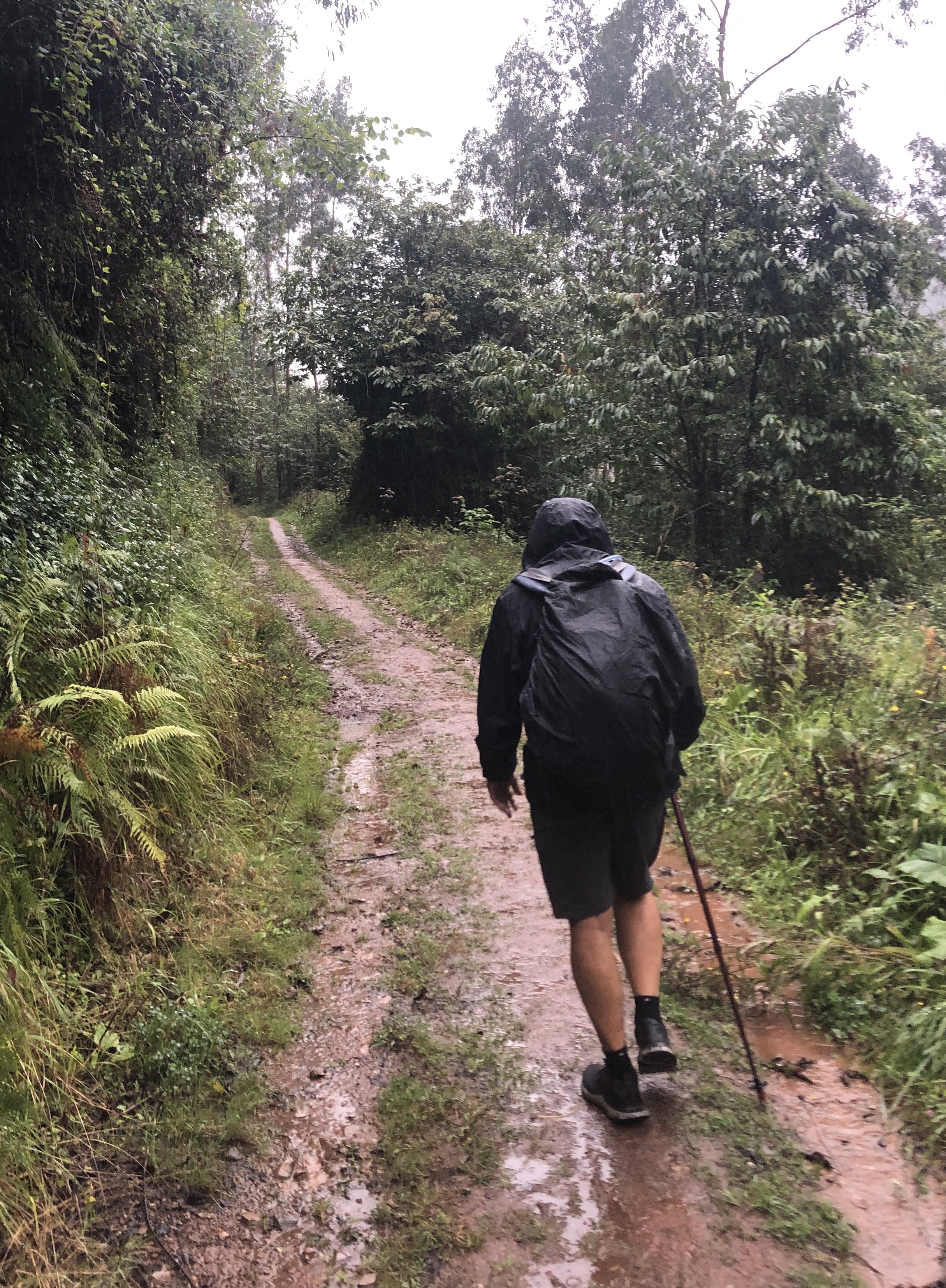
After the rain —comes mud. It was a “Mudder” today slogging in goopy black mud up to our ankles with a bit of cow manure mixed in for good measure. With 23 miles to our destination, we sloshed on as quickly as we could. An friendly cow appeared and seemed content to walk the Camino with us on her side of the fence… until she got stuck in the mud and could go no further.
“You are not stuck where you are unless you decide to be.” Wayne Dyer
Camino cow stuck in the mud
A cow stuck in barn
We bumped into one of the other pilgrims, Matthew from Ireland, who was at our Albergue the night before. He’d left early but we’d caught up to him as he had gotten stuck in one of the muddy ruts and stopped to rinse off his boots. He said ‘if the cows could get unstuck so could he.’
“When we are stuck in a rut we are being invited to grow and expand.” – Dana Arcur
Having spent my adolescence digging and pushing trucks, and tractors out of muddy ruts, I know full well what an arduous task it is getting unstuck. As we climbed out of the mud and into an area of higher ground, past numerous pastel flowers, it made me think about Claude Monet, one of the best known French Impressionist painters of the 1860s and 70s, who destroyed thirty of his Water Lily paintings and commanded his daughter-in-law to destroy even more of them, Monet felt stuck in his work and was hung up thinking how future generations would negatively view his work. He eventually went on to paint 250 versions of his Water Lilies.
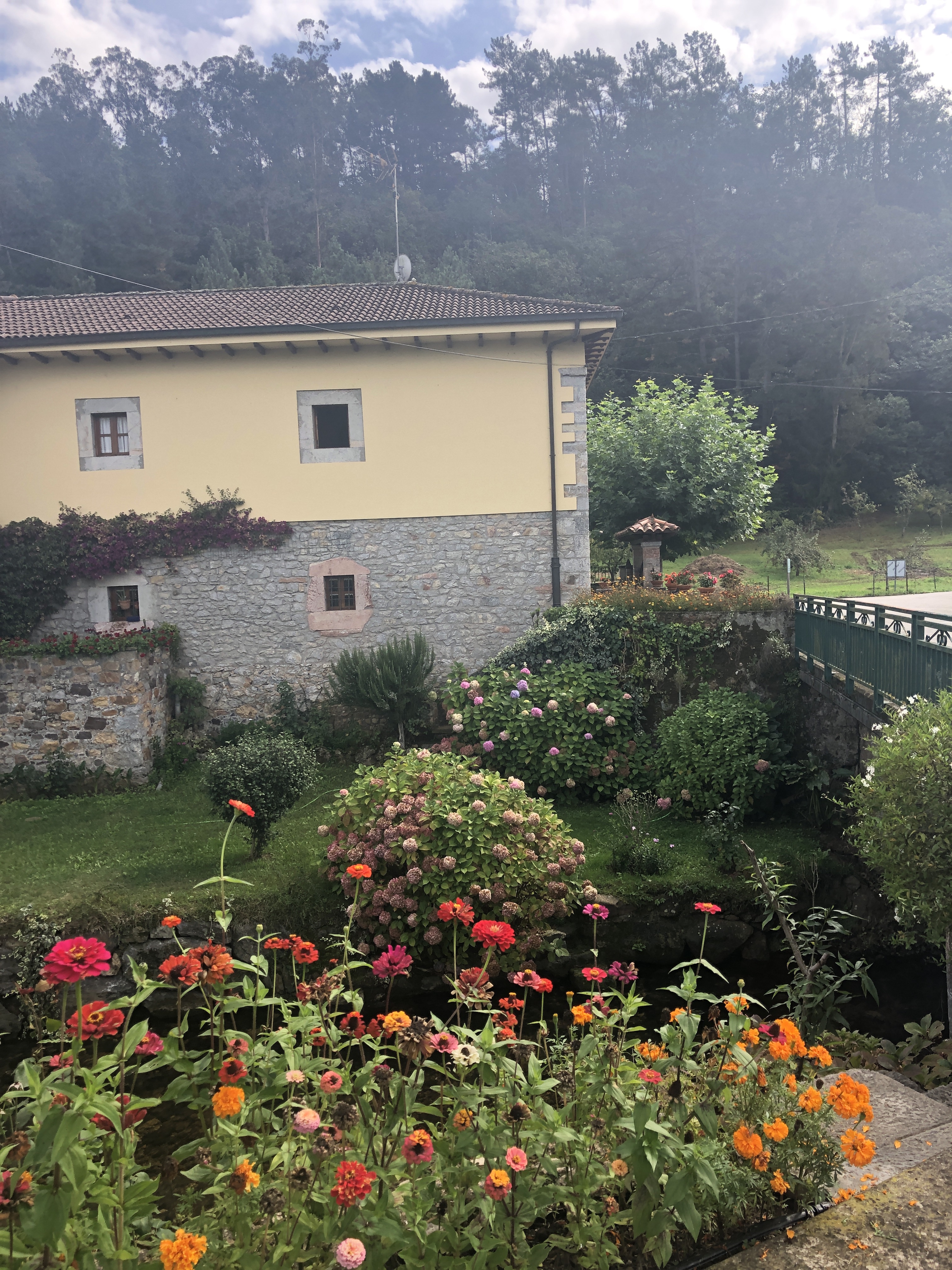
Flowers of Tineo & Monet’s Water Lillies
“If you find yourself stuck… there is only one way to go, forward.” Richard Branson
Walking the Camino has left me oodles of time to ponder areas in my life where I’ve gotten stuck. It has left me motivated, with Monet as my muse, to go on anyway—Continue creating when I’m stuck and feel the outcome is subpar. Inertia and movement is the key. So we “keep on keeping on,” fighting the rut and moving forward.
CAMINO STAGE 26: Berducedo to Grandas de Salime. Camino Primitivo Route of El Camino De Santiago. 14 miles, Day 28, 9 days to go
Grandas de Salime
“We have only today. Let us begin.” Mother Teresa
It’s the end of September, and almost the end of our Camino, and I can’t reconcile the days as they’ve all dissolved together. The first few days on the Camino Norte, getting used to carrying 20 pound backpacks over twenty one miles at a time, seemed to last an eternity. But by the second week into the third, days melted together quickly on the Camino. Now we have one week left before arriving in Santiago, and I have mixed feelings: my feet, after repetitive pounding, are begging me to find a lounge chair and not move for a week. My heart, which loves being outdoors in the Fall, says please carry on past Santiago to Finesterre— the very edge of Spain. Spending the entire month outdoors, walking nonstop through various elements on challenging terrain filled me with perspective, hope and perseverance for hard days, in real life, that will rear their head in the future.
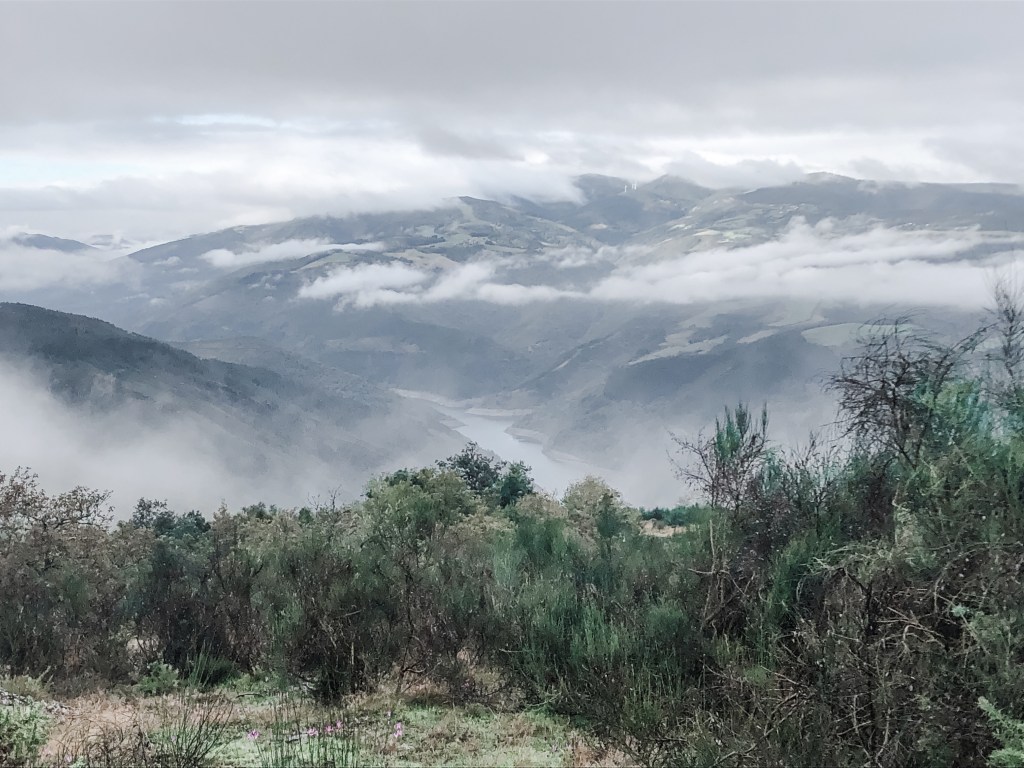
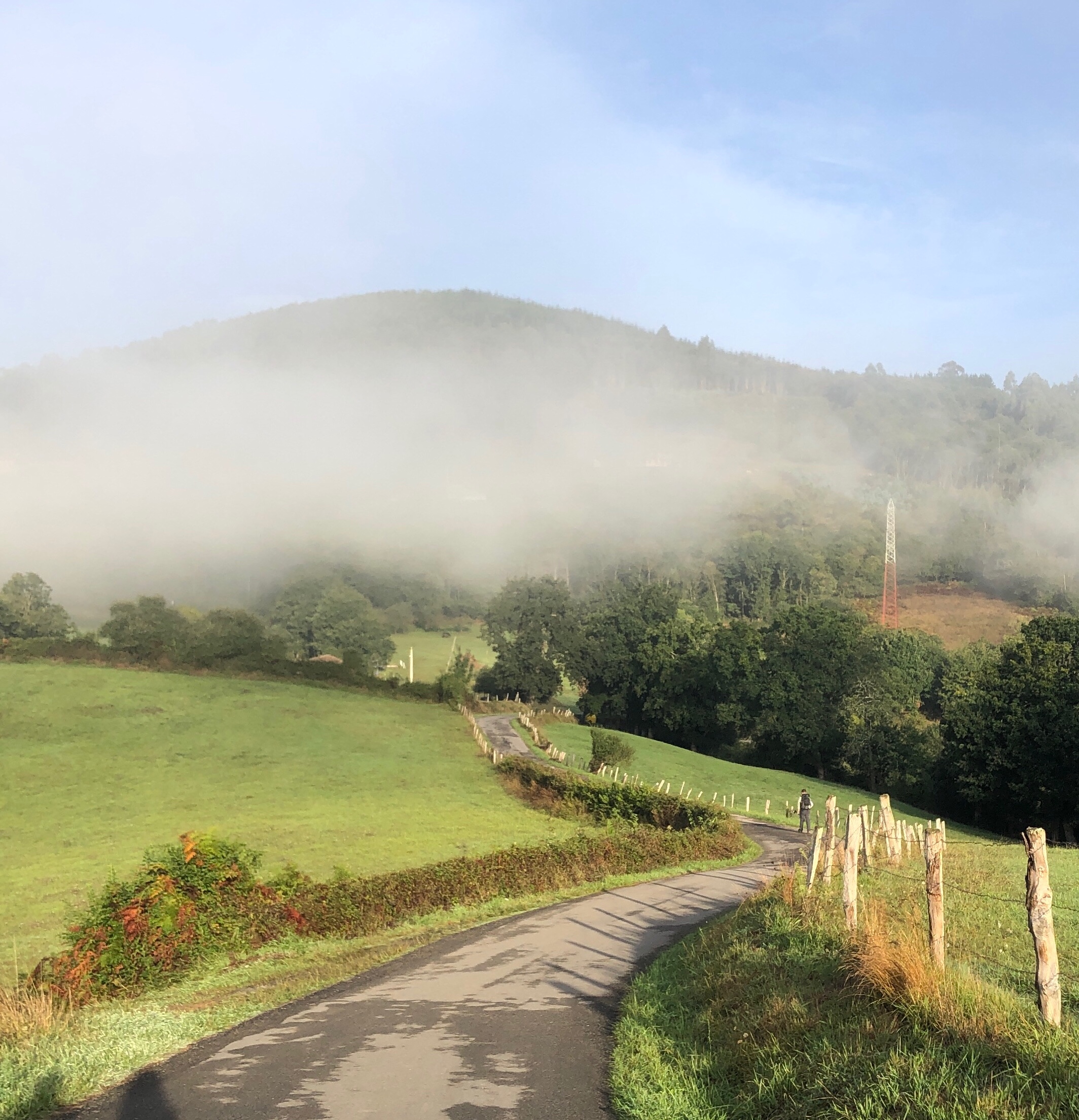
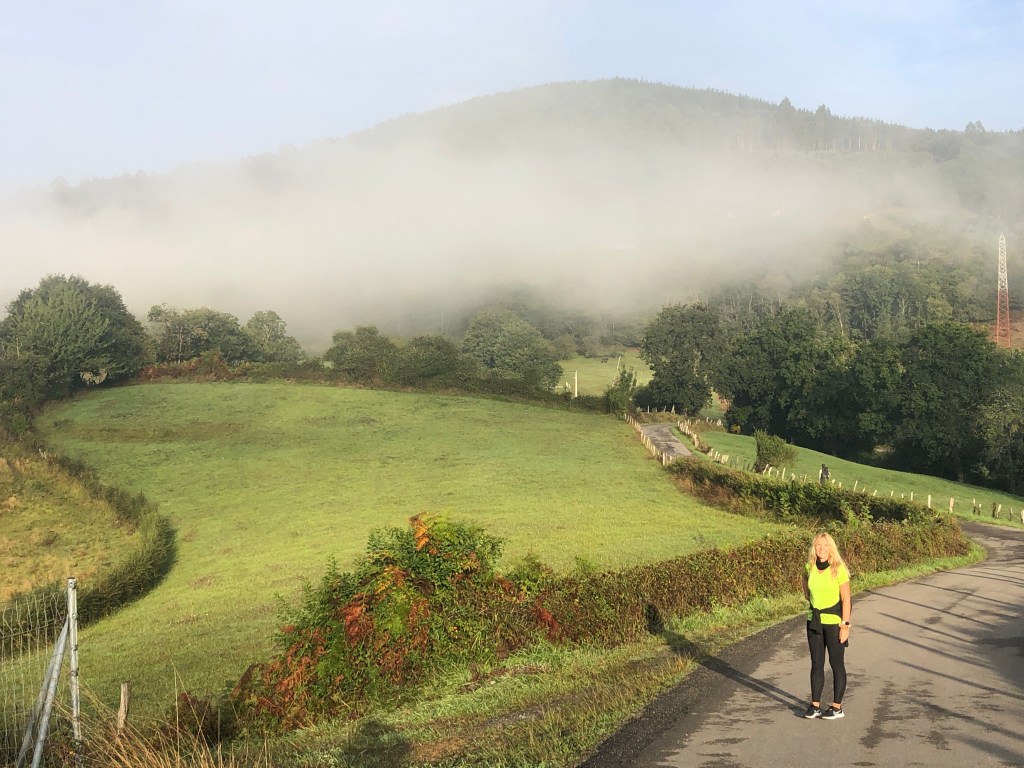
Morning fog 42 degree morning
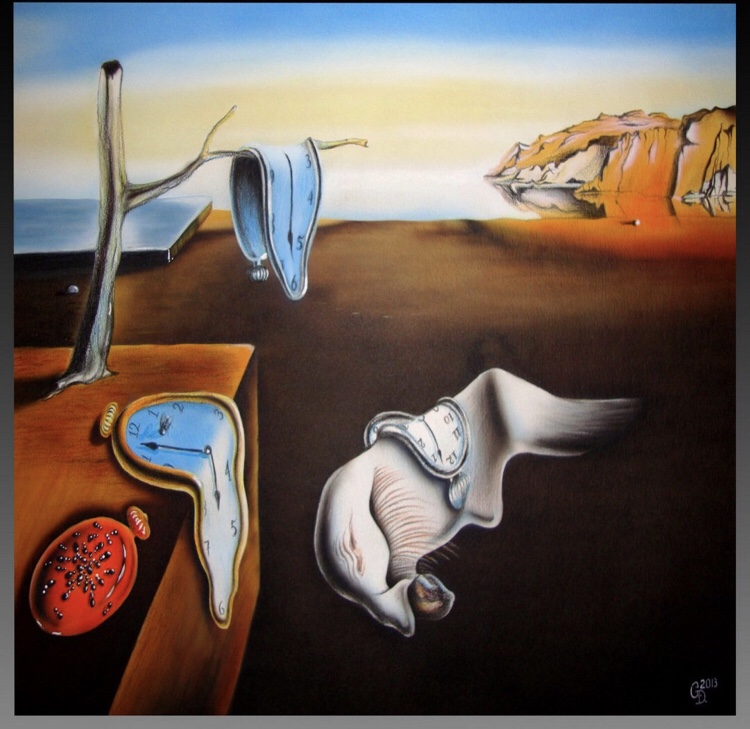
With days and hours sliding together on the Camino and time losing meaning, I finally understand Spanish painter Salvador Dali’s The Persistence of Memory with melting clocks. Having been ruled by the clock my entire existence, now following the rhythm of nature— getting up when its dawn and going to bed at dusk, to read before nodding off, feels natural and healing.
“Your time… What do you want to be doing? Are you doing it?” – Anita Dhake
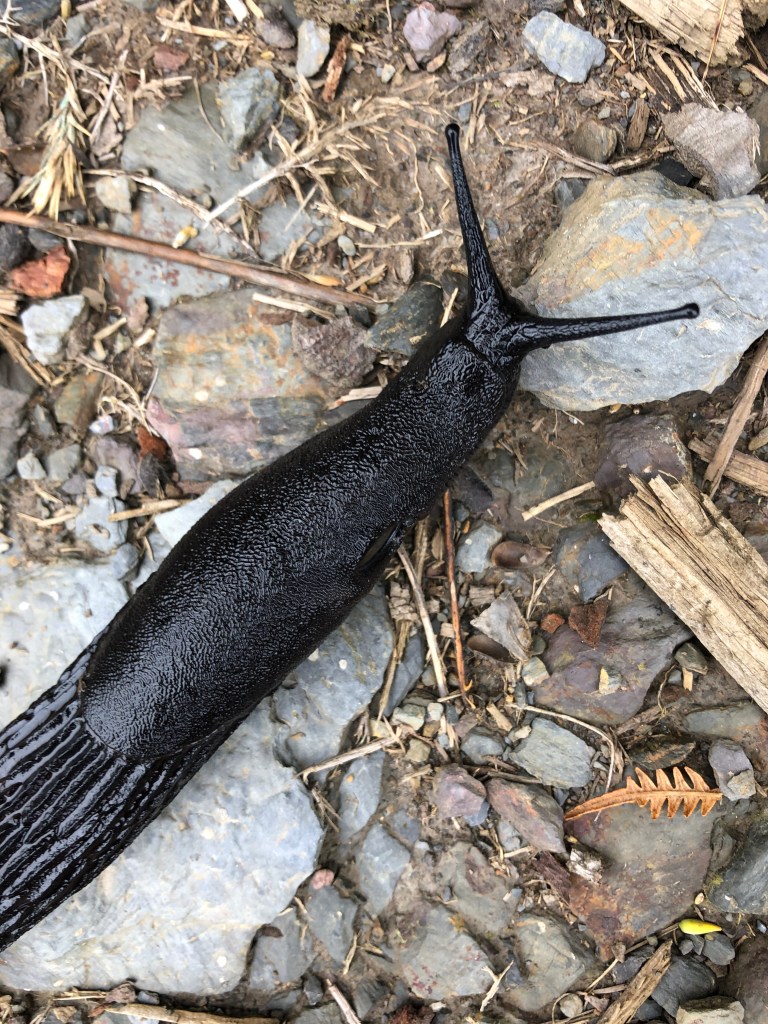
Dali’s : The Persistence of MemoryAsturias Spain’s giant snails
Dali was part of the avant-garde movement of Surrealism in the late 1920s and soon became one of its leading exponents. I saw The Persistence of Memory at the MoMA in NYC many years ago, and it’s niggled my brain since. This morning, specifically looking at my watch to gain some semblance of time, I nearly stepped on a giant snail moving across the trail. I paused to watch him slowly inch over rocks and dirt. Dali’s painting popped up in my mind’s eye, and I made a connection to the blob in the right bottom quadrant of The Persistence of Memory— time draped over a snail shaped memory. Memories made slowly, joyfully and even painfully endure and withstand time. A slow and steady snail was the perfect symbol for memories that persistent despite time sliding away. We have slowly slugged on day after day for 29 days and chipped away at the miles that will total 500 at the end of next week. The slow travel and lessons of the Camino will be a persistent memory even as the years tick on and melt away.
“The price of anything is the amount of life you exchange for it.” — Thoreau
“The trouble is, you think you have time.” — Buddha
“A man who dares to waste one hour of time has not discovered the value of life.” ― Charles Darwin
CAMINO STAGE 25: Campiello to Berducedo Camino Primitivo Route of El Camino De Santiago. 19 miles, Day 27, 10 days to go
Stone village Montegurado outside Berducedo
Sfumato is an Italian word for ‘smoke.” It is also a painting technique that softens the transition between two colors, and light and dark in such a way that they appear to melt into one another. Leonardo Da Vinci was a master of this technique. His use of sfumatoin the Mona Lisa gently brings Mona forward from the background. I took my sister and nieces to the Louvre in August to show them this masterpiece, and the sfumato technique.
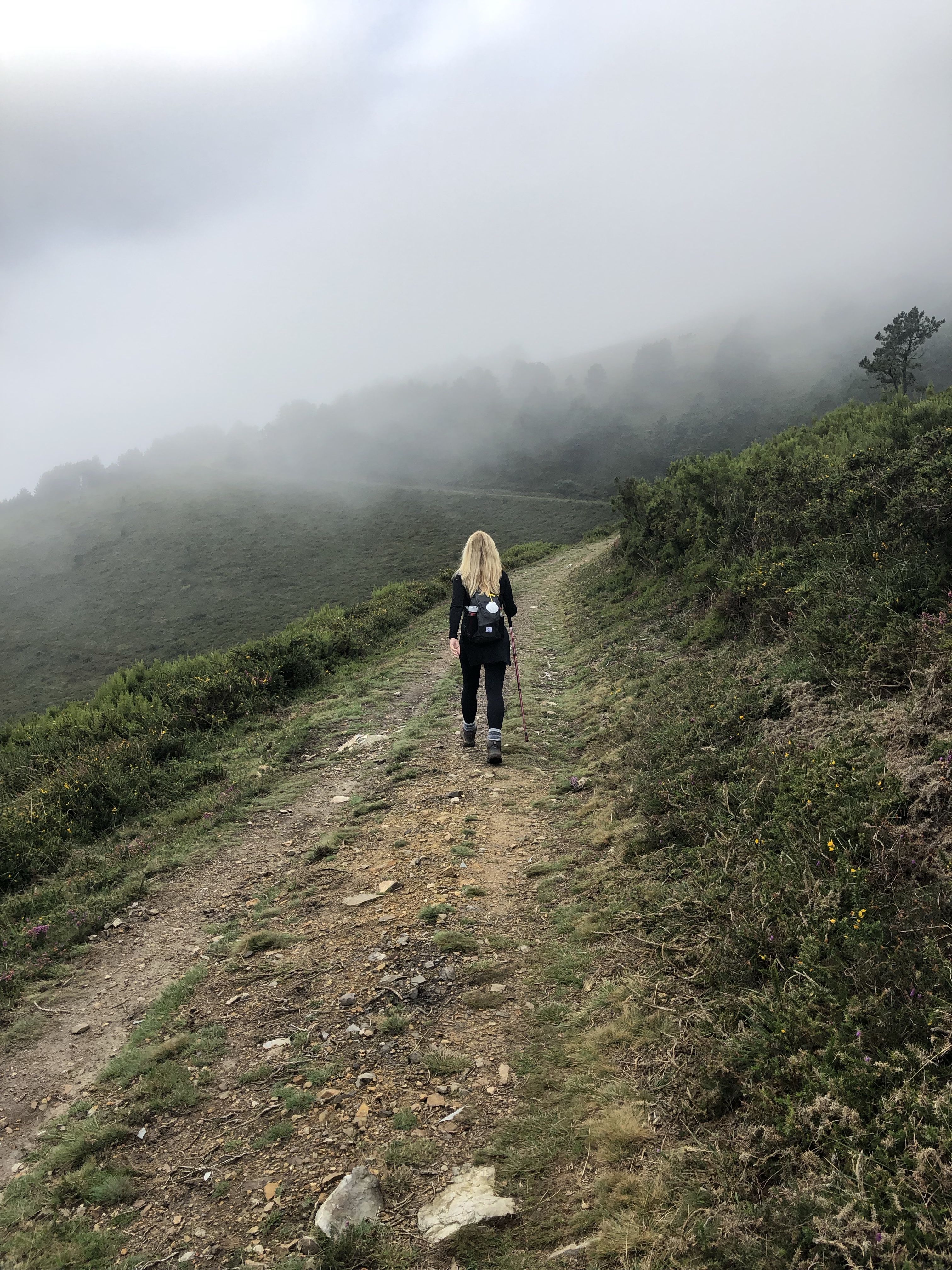
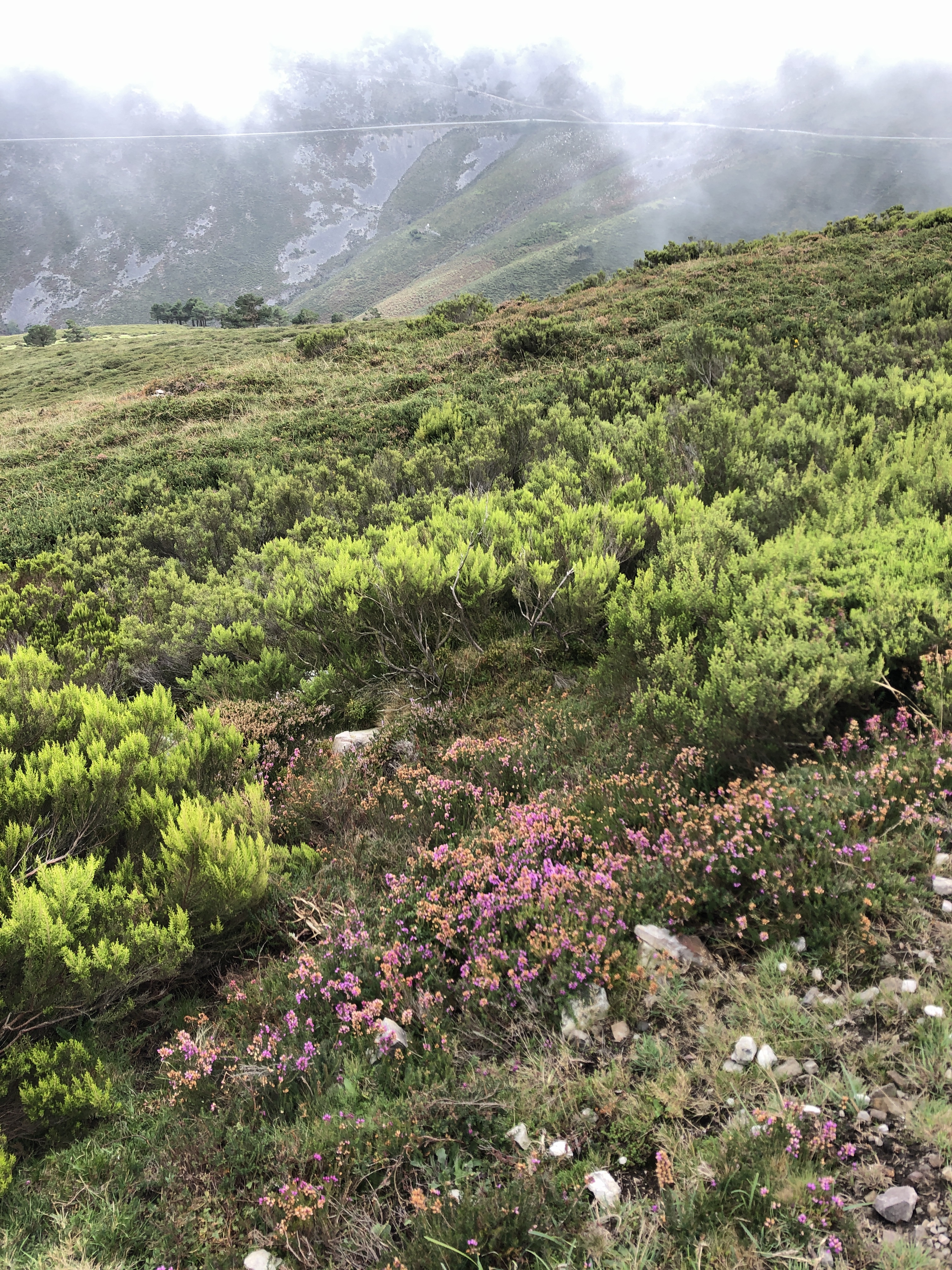
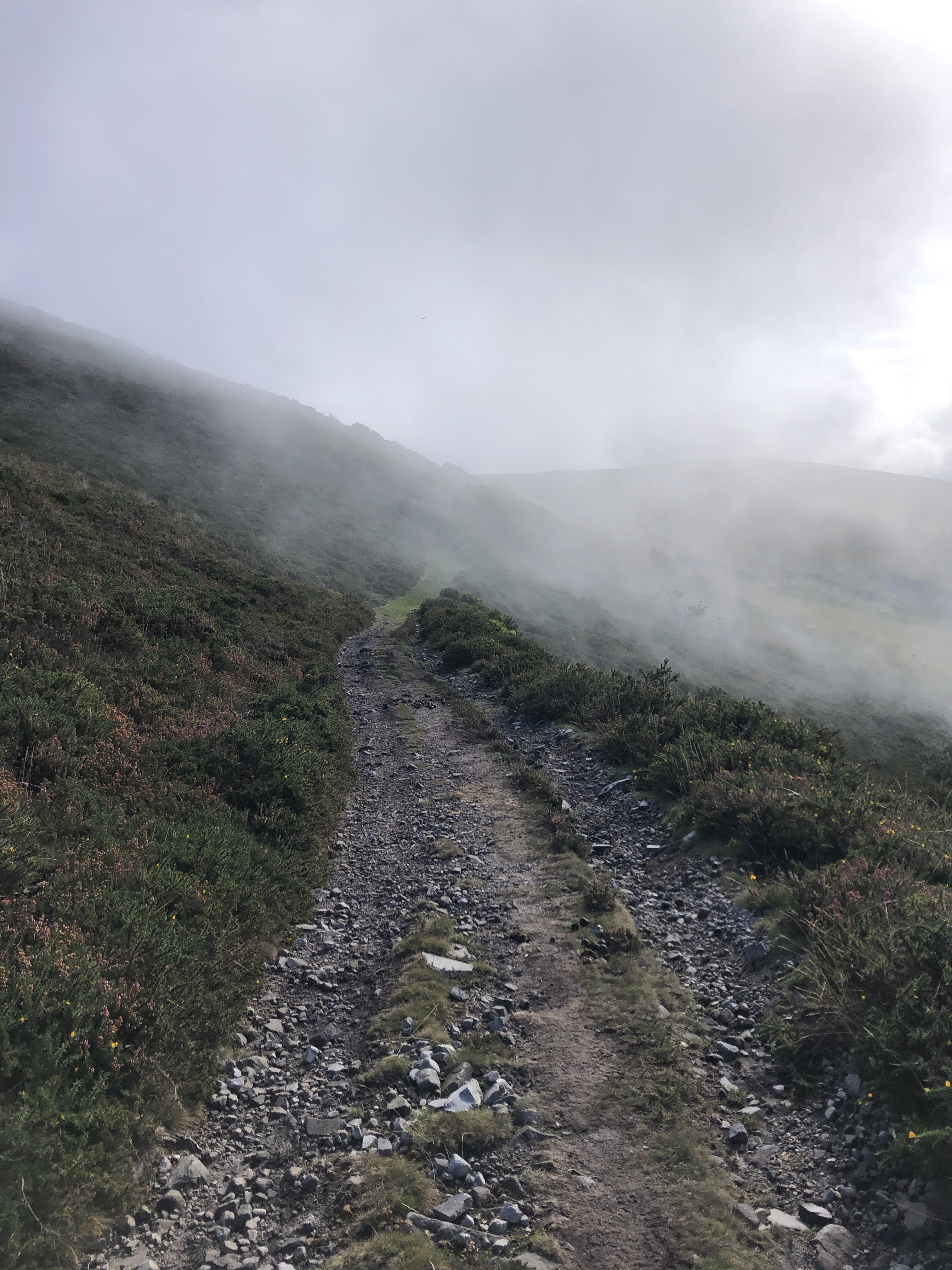
The Camino Hospitales trail is one of the hardest on the Primitivo Route due to misty fog and steep loose rocky terrain, but the smoky sfumato effect on the trees, as well as heather and heath melting into the ground was spellbinding.
Hospitales
3000 foot ascent
Hospitales – Pilgrim hospital ruins
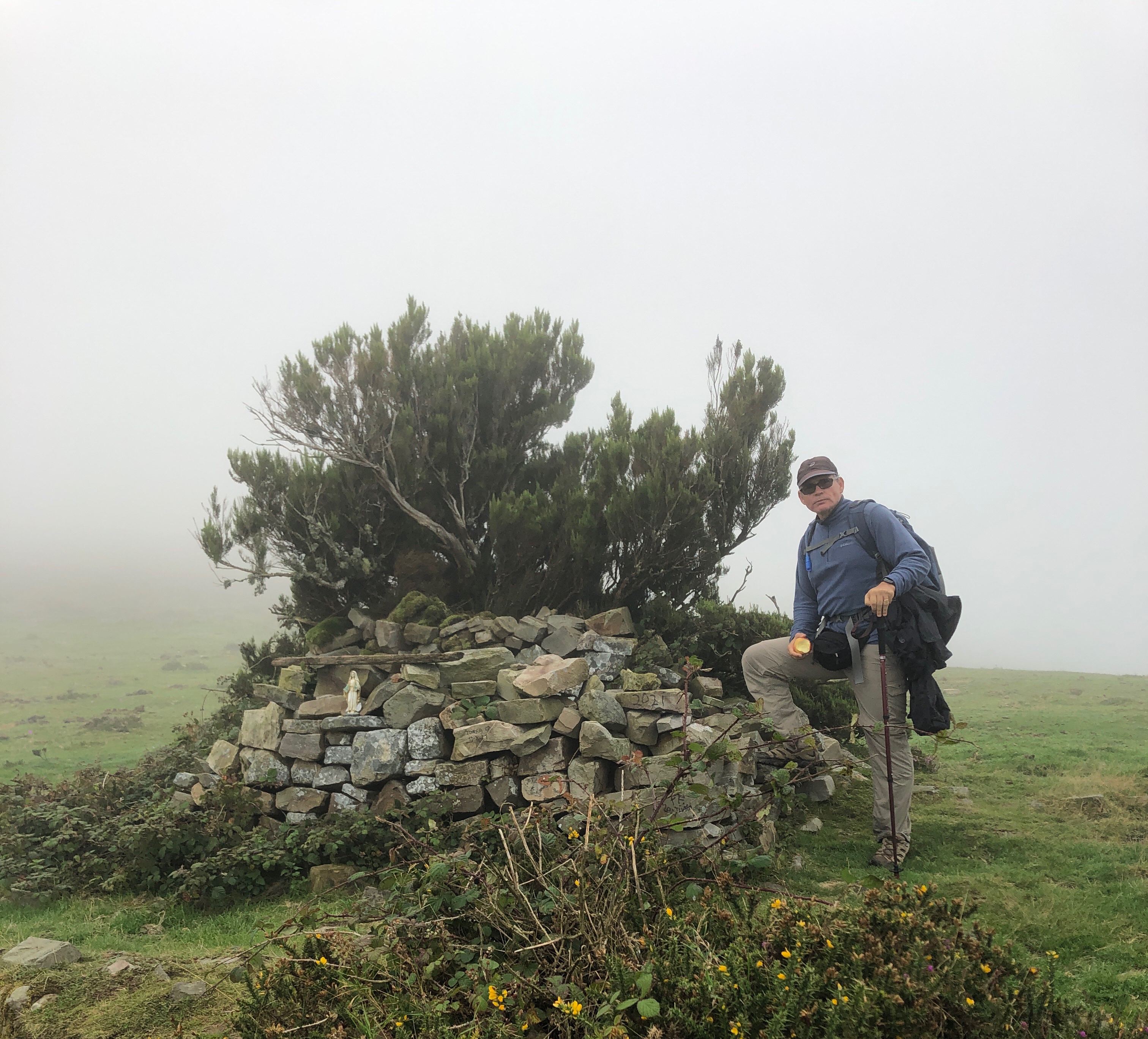
This real life sfumato was simultaneously fascinating and eerie as we ascended through the fog and saw the old pilgrim hospital ruins, a Roman gold mine scarring the earth, and animals come out of the mist. I nearly bumped into another pilgrim friend, Frank from Germany, as I thought he was a boulder until I was nearly at his heels. Before that point, I thought I was walking toward a dark stationary object in the fog. My mind went back to Da Vinci’s use of sfumato on the Mona Lisa—the melting and melding of colors and darkness and light around her body and how the eye returns to the light of Mona’s face, as my eye returned frequently to the trail markers.
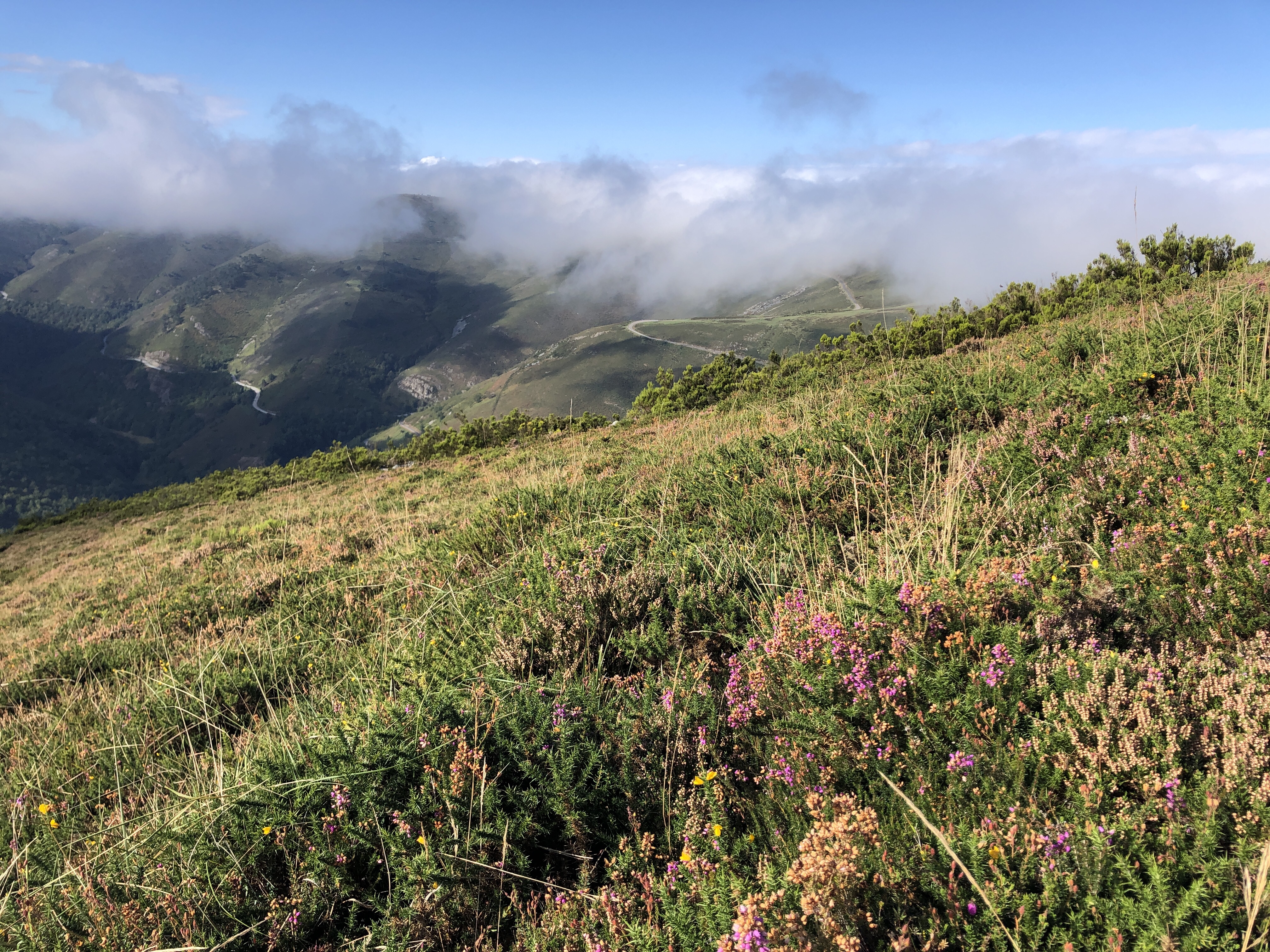
We cleared the cloudy mist when we started down our loose rocky descent. The dark mountains in the distance melted into the sky and seemed to move closer to us. We marveled again at the beauty of Northern Spain, and felt deeply grateful to view this masterpiece of sfumato before our eyes.
CAMINO STAGE 23: Grado to Salas Camino Primitivo Route of El Camino De Santiago. 16 miles, day 25/ 12 days to go
Salas, Spain
Steve has been fascinated with maps and globes since grade school, and this interest has come into play many times on the Primitivo Route as signs have been missing, or they send mixed signals. His navigational skills have also helped several lost pilgrims. He gets them oriented and back on track. Because of this, we’ve been singing Elton John’s song “Bennie and the Jets” but tweaking the lyrics to “Stevie and his Maps.”
Patriot
In the tv series Patriot, Leslie Claret, owner of a civil engineering piping firm, has written a book on the “Structural Dynamics of Flow.” It is a thick tome on the simple concept of getting things from point A to point B. On this thirty seven day odyssey, Steve has become champion of the ‘structural dynamics of flow’ despite rain, fog, dead ends and darkness.
“Surrender to the flow.” Mike Gordon
Hórreos
The fog this morning and rubbed off directional arrows on Camino markers, did nothing to disrupt Steve’s flow as he skillfully got us from point A to B in five hours. We had checked into our castle tower room in Salas and were half way through eating 4pm lunch by the time many pilgrims were just staggering in.
“Over prepare, then go with the flow.” Anonymous
Steve’s Spidey Senses in play
“Flowing water never goes stale, so just keep on flowing.” Bruce Lee
Before getting to Salas, we slid walked down one long descent with erosion runoff of scree and mud after a hard rain, but this hurdle did not disrupt Steve’s process or keep him from missing hidden turns. I stood back and watched the magic happen.
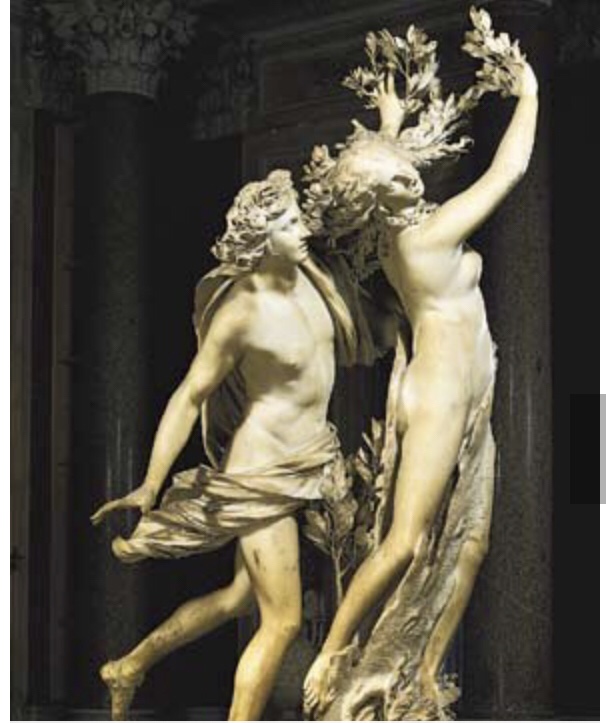
Watching Steve in action reminded of my my favorite 17th century Italian architect and sculpturist —who mastered the dynamics of flow— Lorenzo Bernini. I went to the Borghese museum in Rome a half a dozen times to see his David sculpture and Apollo chasing Daphne. Bernini was the first to show movement in characters suspended in marble. David is in motion and just at the moment where he releases the stone that hits Goliath. Daphne is in a metamorphosis of changing into a tree while being pursued by Apollo. I stood back and admired the magic of their movement.
There are moments transversing fields and muscling my way up rock strewn hills where I pause and savor the moment of living in the flow on the Camino.
CAMINO STAGE 22: Oviedo to Grado Camino Primitivo Route of El Camino de Santiago. 18 miles, Day 24, 13 days to go
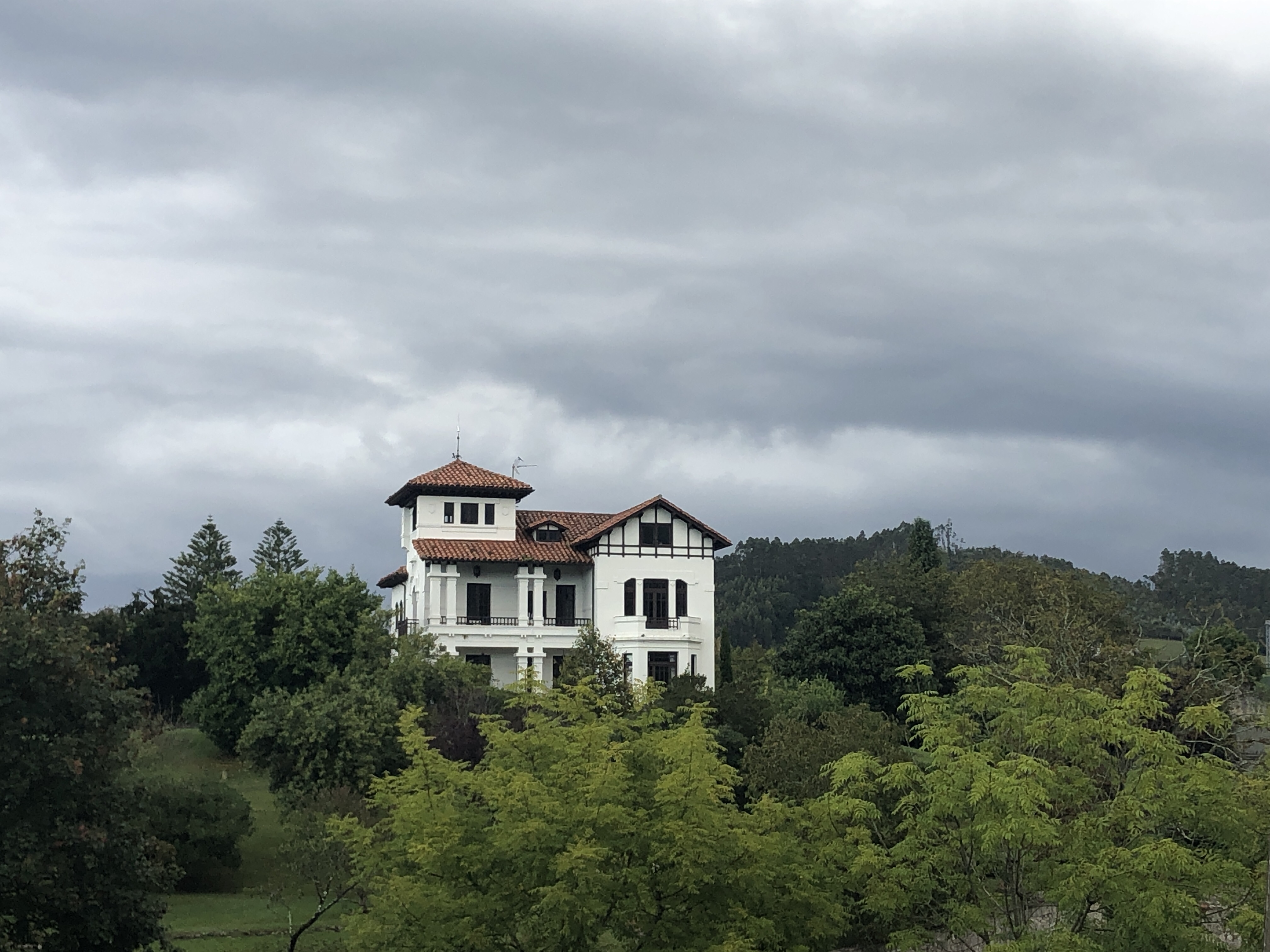
Indiana Villa
NostraSeñora
Grado, Spain
Artists over the years have created StillLife paintings to show us a new way of looking at the ordinary objects around us. The objects are imbued with a life beyond the ordinary. Some Still Life’s don’t do it for me but, French post Impressionistic painter Paul Cezanne’s Still Life speak to me. Today in the gathering drizzle of Asturias’s maritime damp climate, it felt like we’d stepped into one of Cezanne’s paintings and Still Life.
After a couple hours on the new Camino Primitivo Route, I said to Steve this was my favorite stage of all. I loved walking by the sea and beauty of the Norte coastal route but being on the Primitivo accompanied by bleating baby goats, a gurgling river, galloping horseback riders and passing by canyons that looked similar to those Steve and I hiked on while dating at university just felt like starting over in many ways. As we moved on in the stillness and quiet, I gained another understanding of what constitutes a still life. We mark this moment not in paint but renewal in our hearts.
“Art is a harmony parallel with nature.”
– Paul Cezanne
“Genius is the ability to renew one’s emotions in daily experience.” —Paul Cezanne
Paul Cezanne Banks of the Marne
Paul Cezanne – Still Life Flowers
“Art which isn’t based on feeling isn’t an art at all.”
CAMINO STAGE 21: Oviedo Camino Primitivo Route of El Camino De Santiago Day 23, 14 days to go
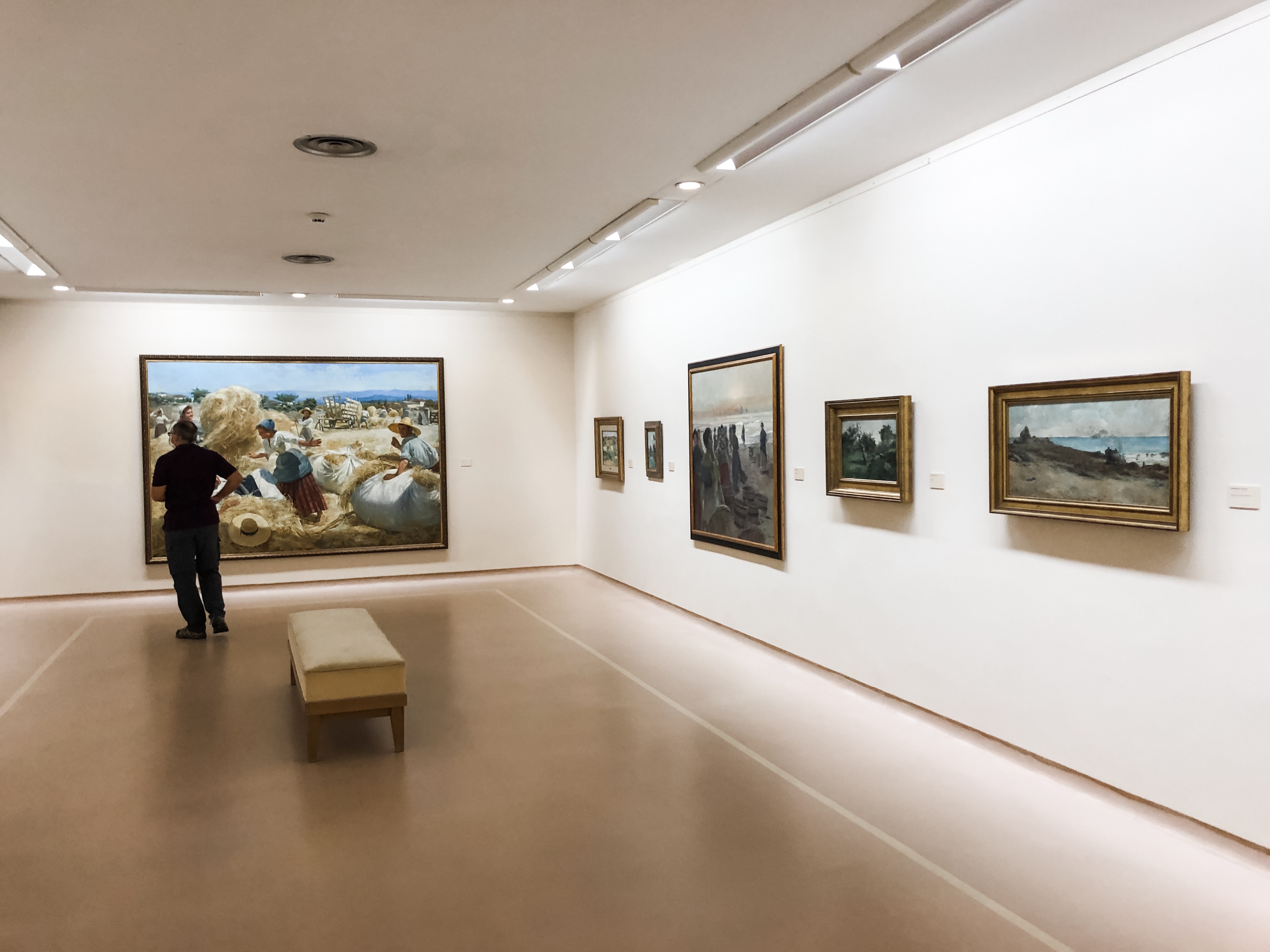
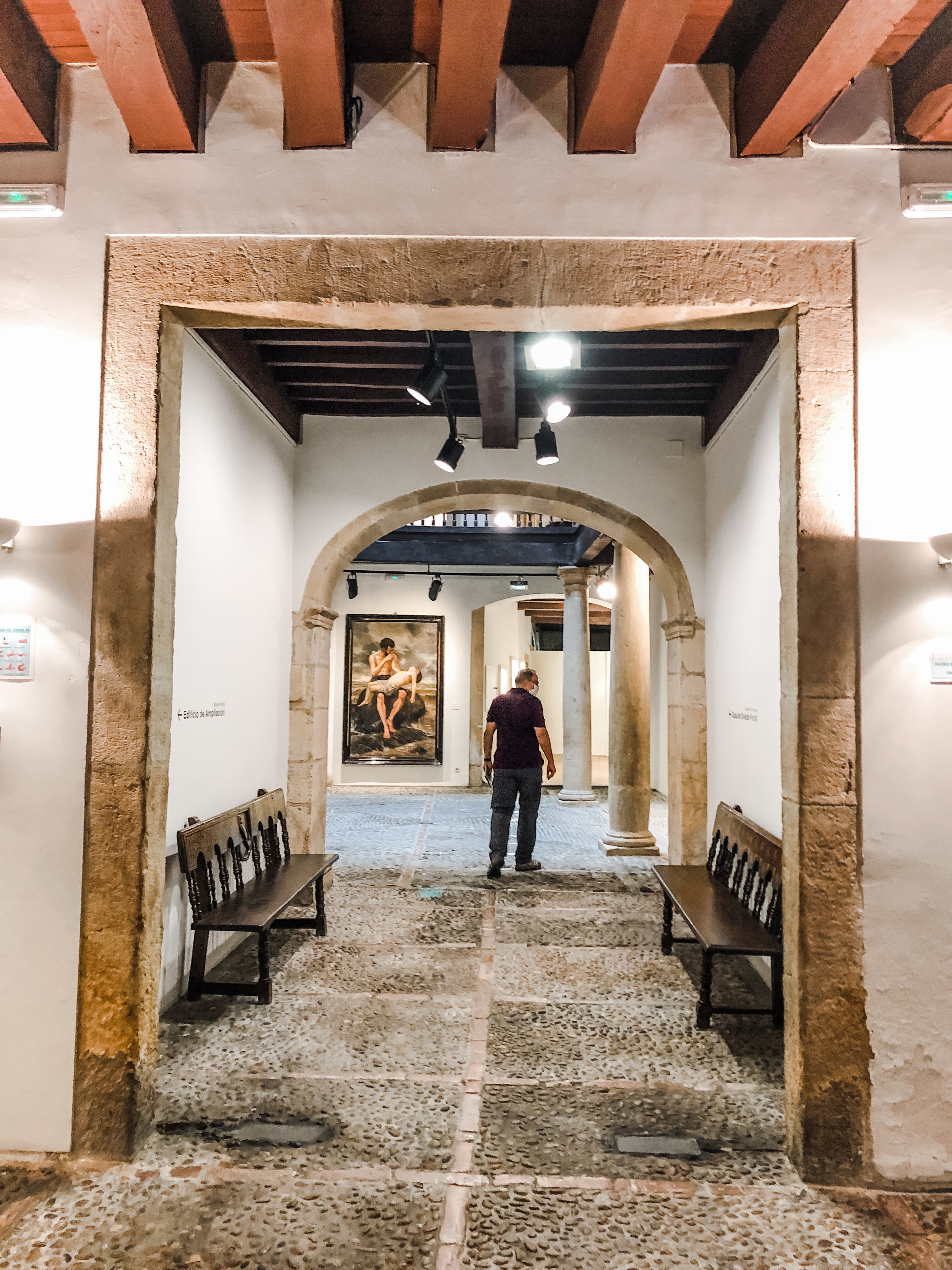
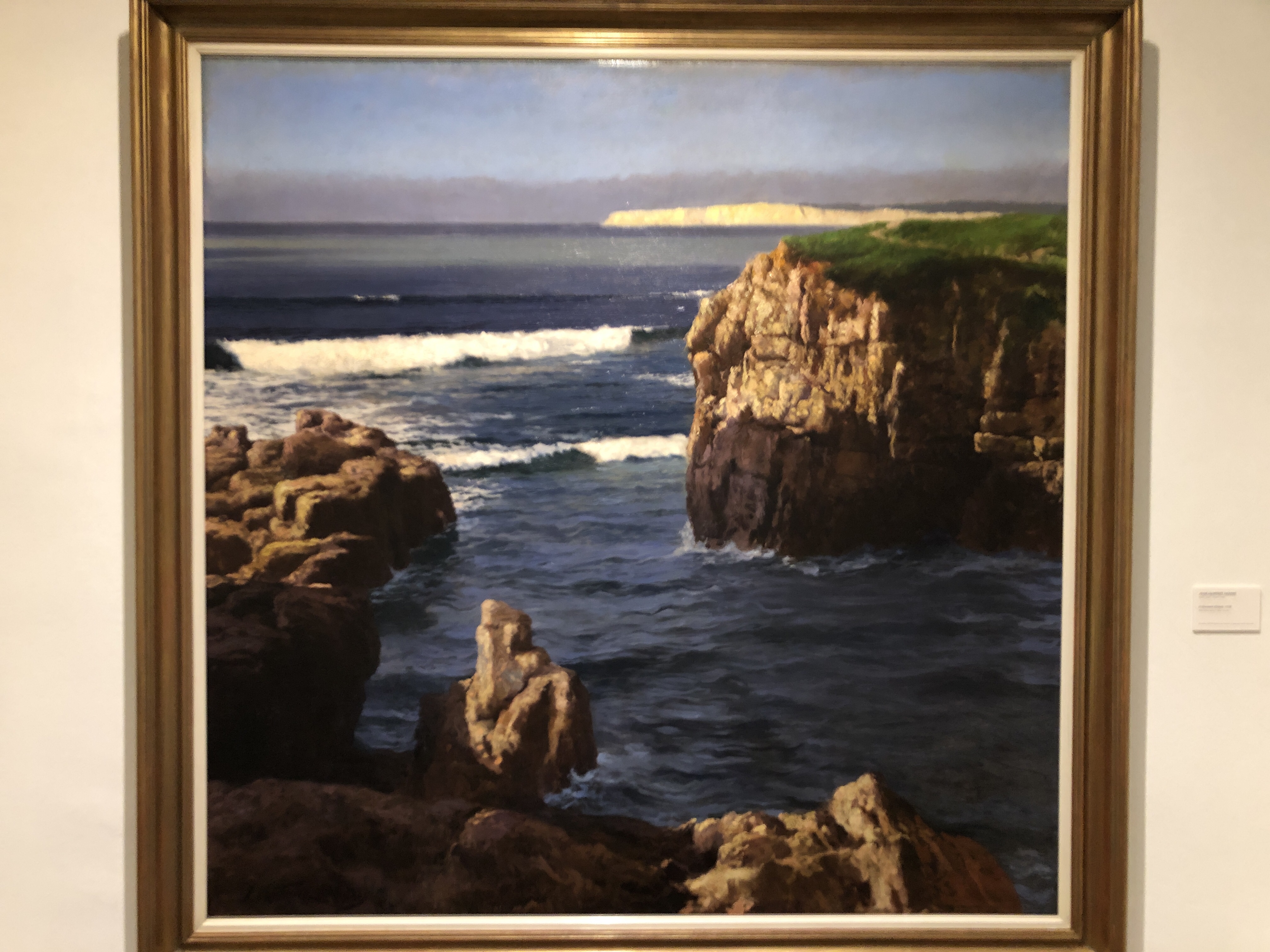
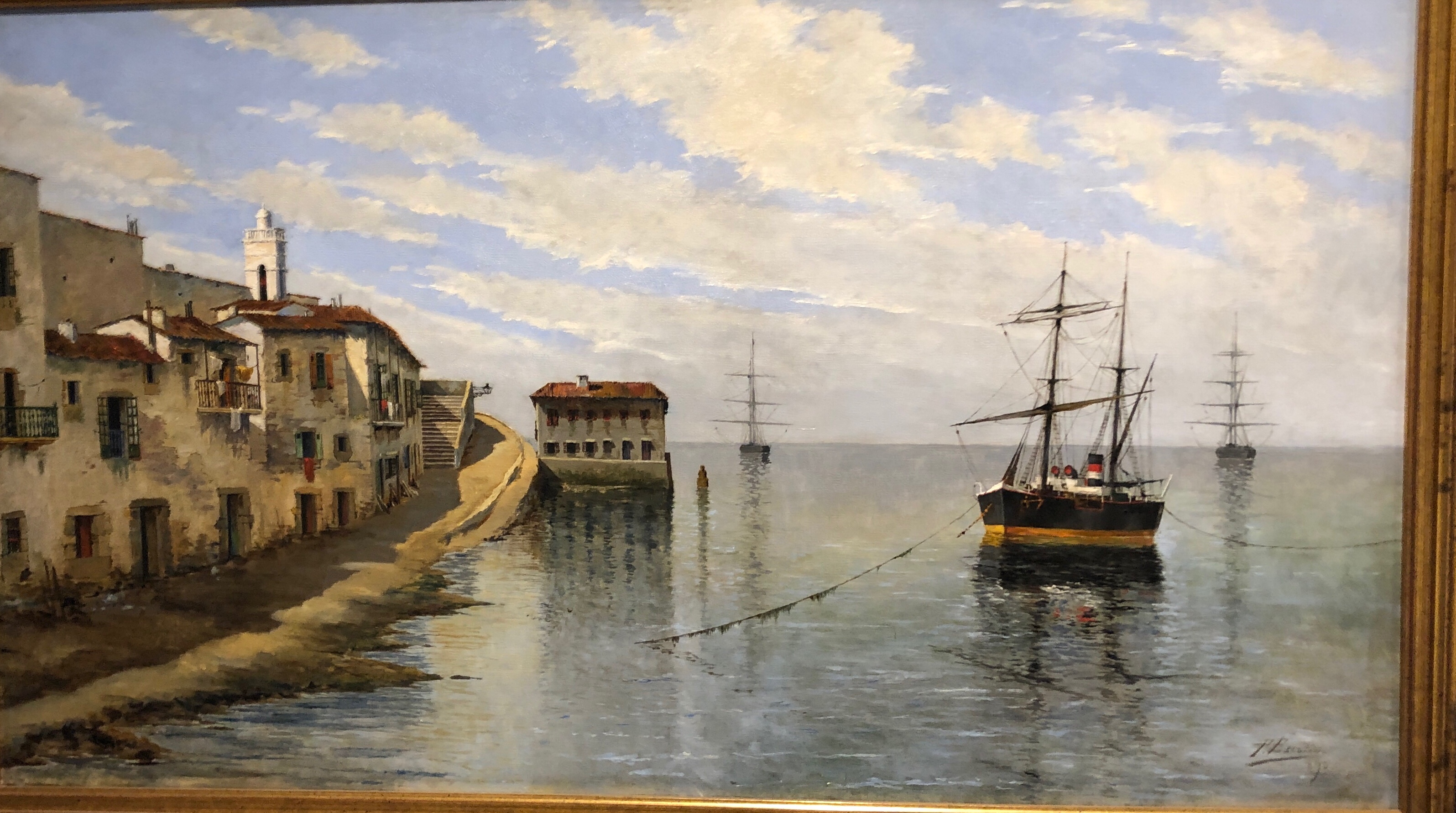
Today was a five mile rest day roaming around Medieval Oviedo. Museo Bella Artes de Austuias was the first stop of the day to see master Spanish painters Veláquez, El Greco, Goya, Ribera, Picasso, Murillo, Sorolla, Dalí, and Asturian painters Abades and Arboleya. Felt thoroughly rested and relaxed after an hour inside.
El Greco
Goya
Junquera
Sorolla
Abades
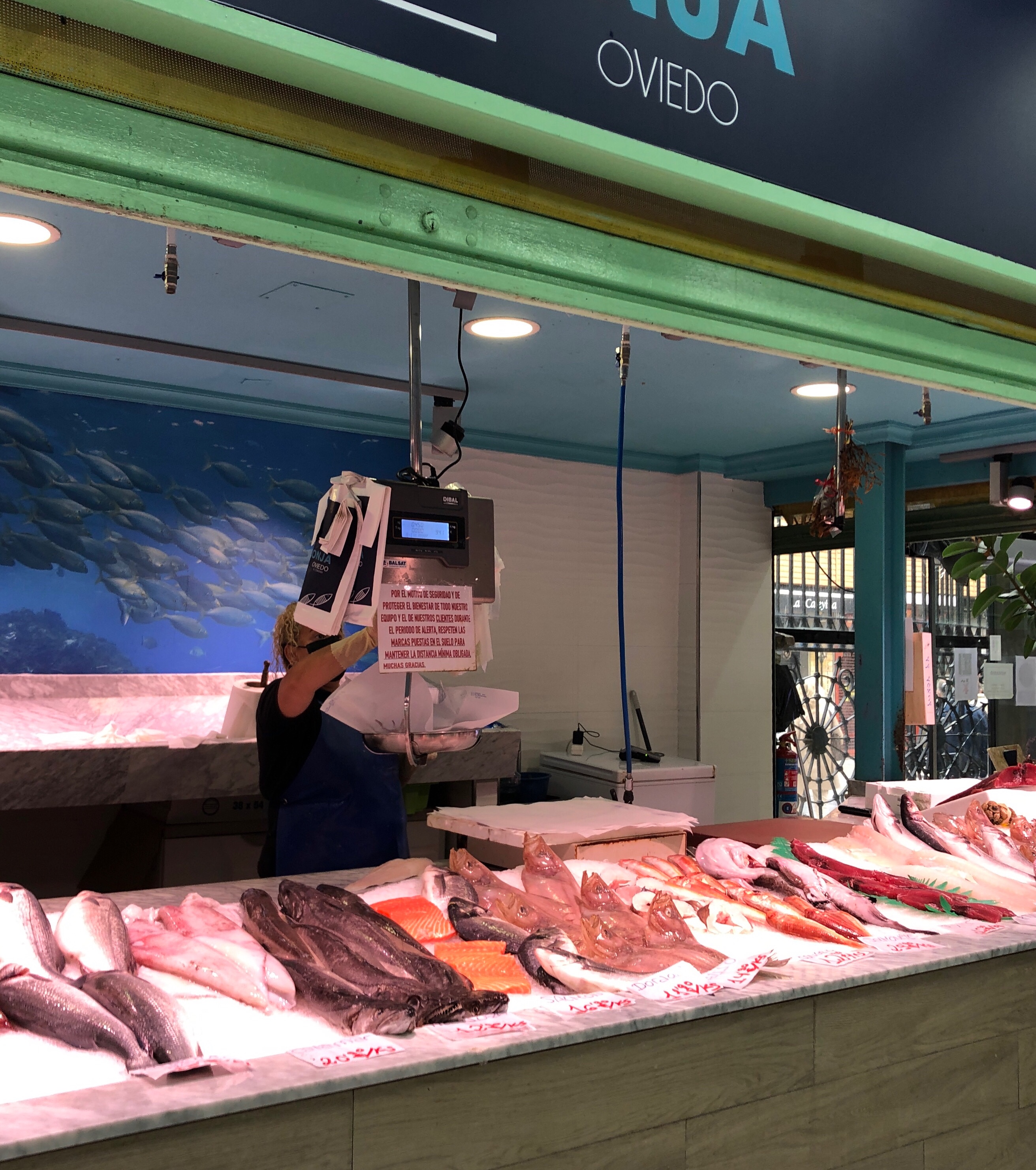
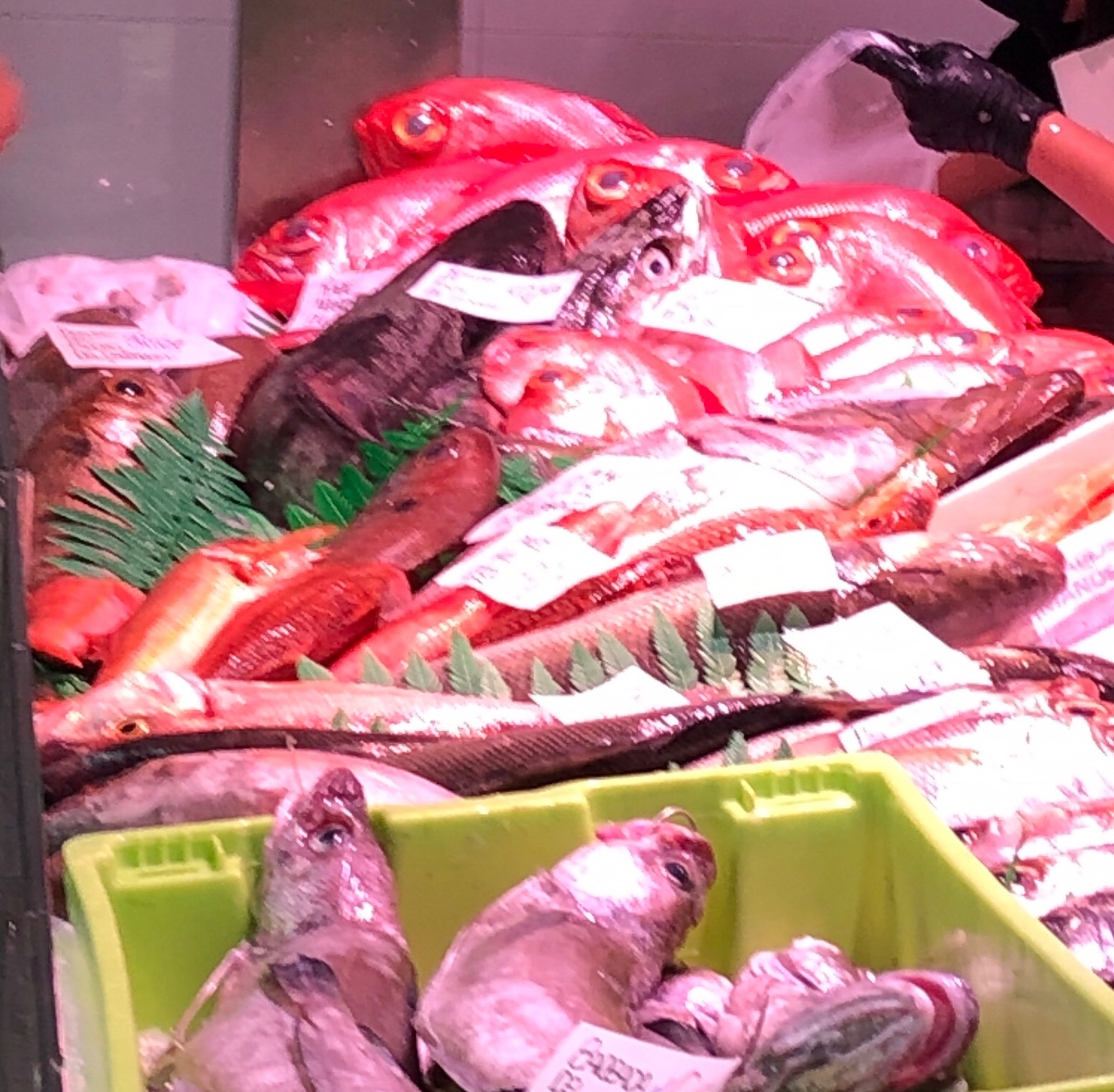
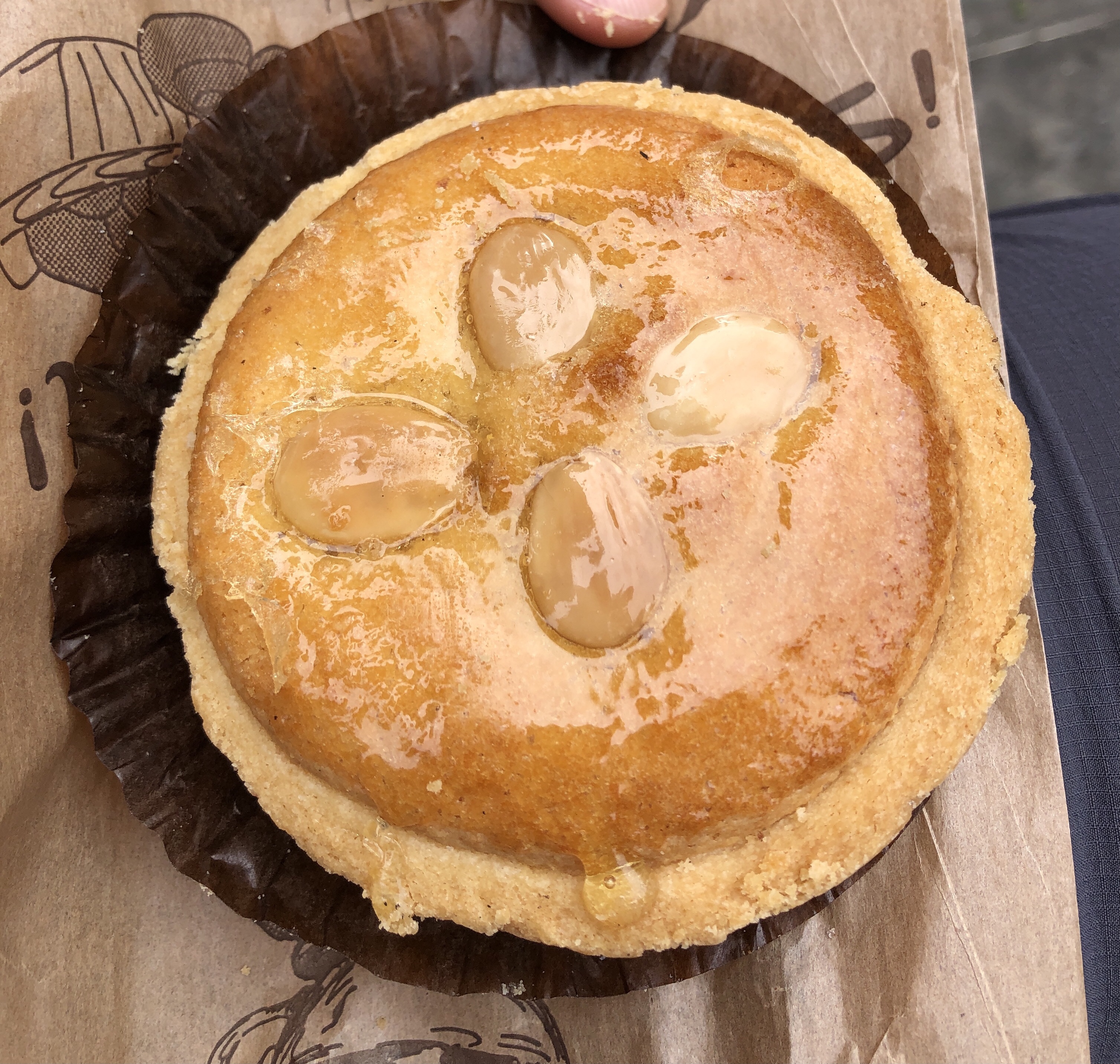
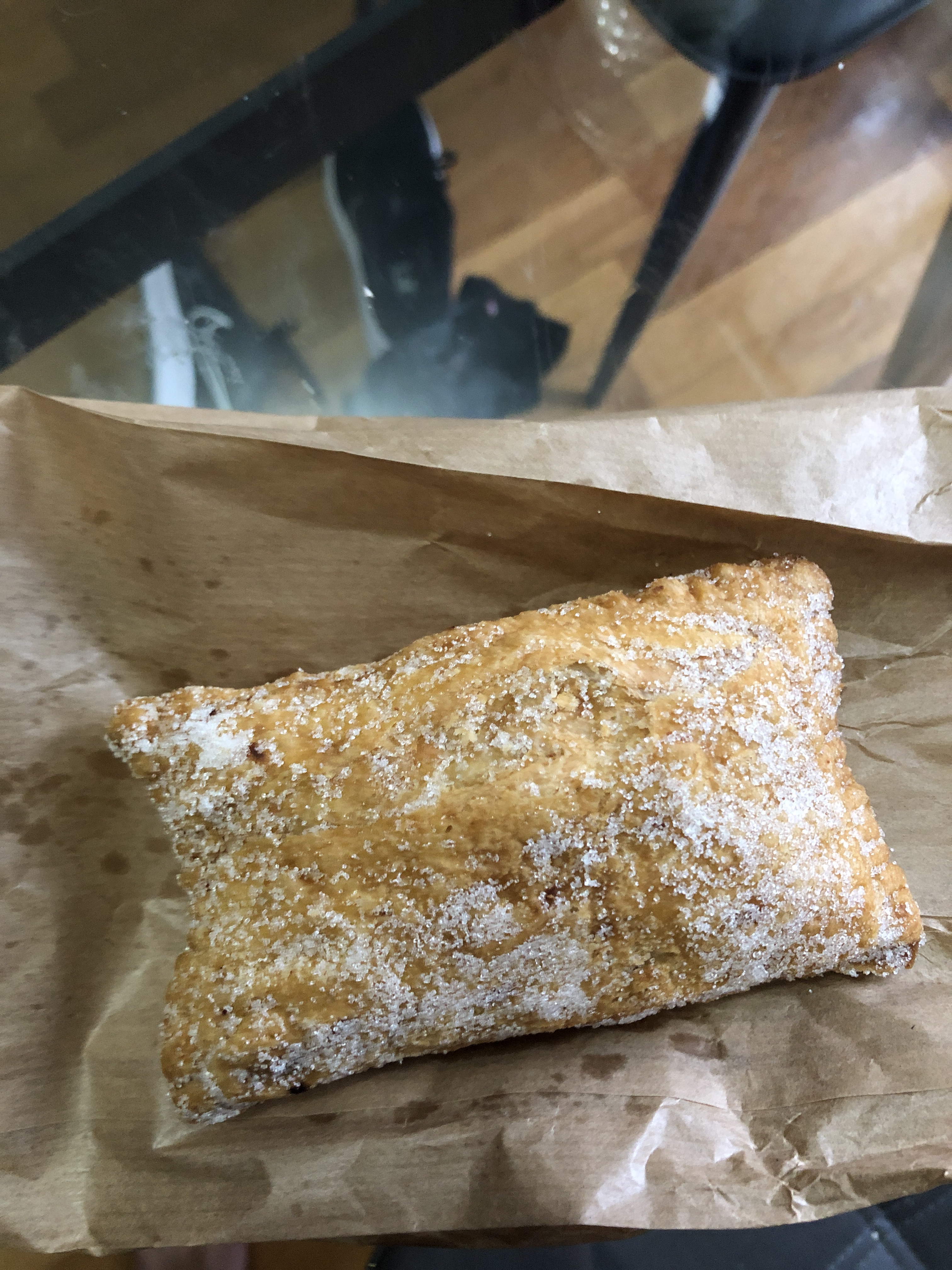
Followed this up with the elegant Mercado filled with artistic displays of cheese, fish, produce and baked goods. Our modus operandi is trying the local pastries in every city. They’ve all been uniquely delicious.
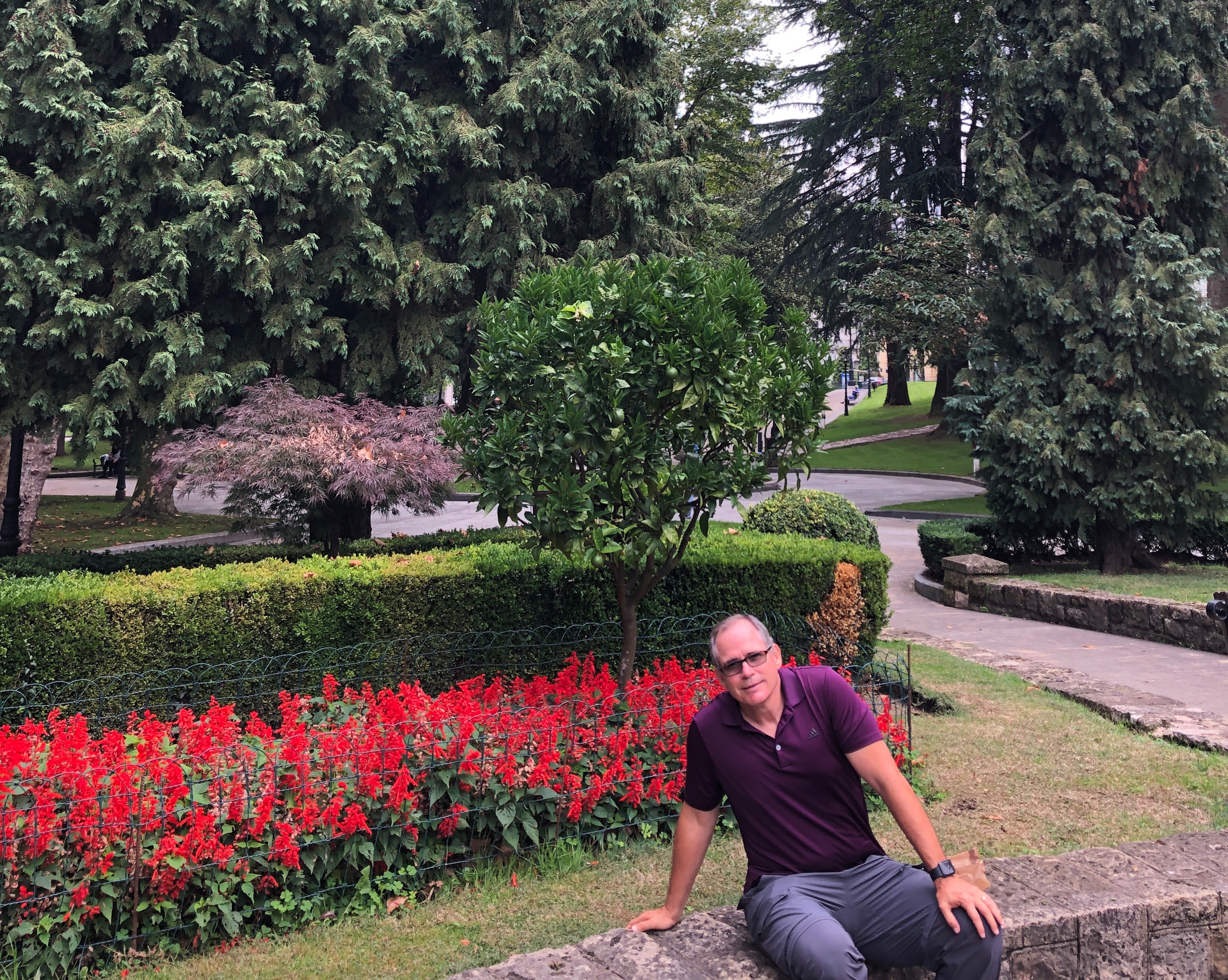
Took ourselves and artisan goodies to San Francisco Park. The birds begged at our feet for stray crumbs and found several.
“There is virtue in work and there is virtue in rest. Use both and overlook neither.” — Alan Cohen
Almond tart
Apple pie
We are rested and ready to get back on the Camino. Some of the hardest stages are yet to come but with the sugar in our veins we know we will survive.
“Wisdom is knowing when to have rest, when to have activity, and how much of each to have.” — Sri Sri Ravi Shankar
CAMINO STAGE 21: El Berron to Oviedo Camino Primitivo Route of El Camino De Santiago. 10 miles, day 22, 15 days to go
Oviedo
September 2021 kicked off a Jubilee or Holy Year. It is a year where the nobler human attributes of forgiveness and reconciliation, peace and solidarity are encouraged. These Jubilee years, mentioned in Leviticus in the Old Testament, occur every 50 years.
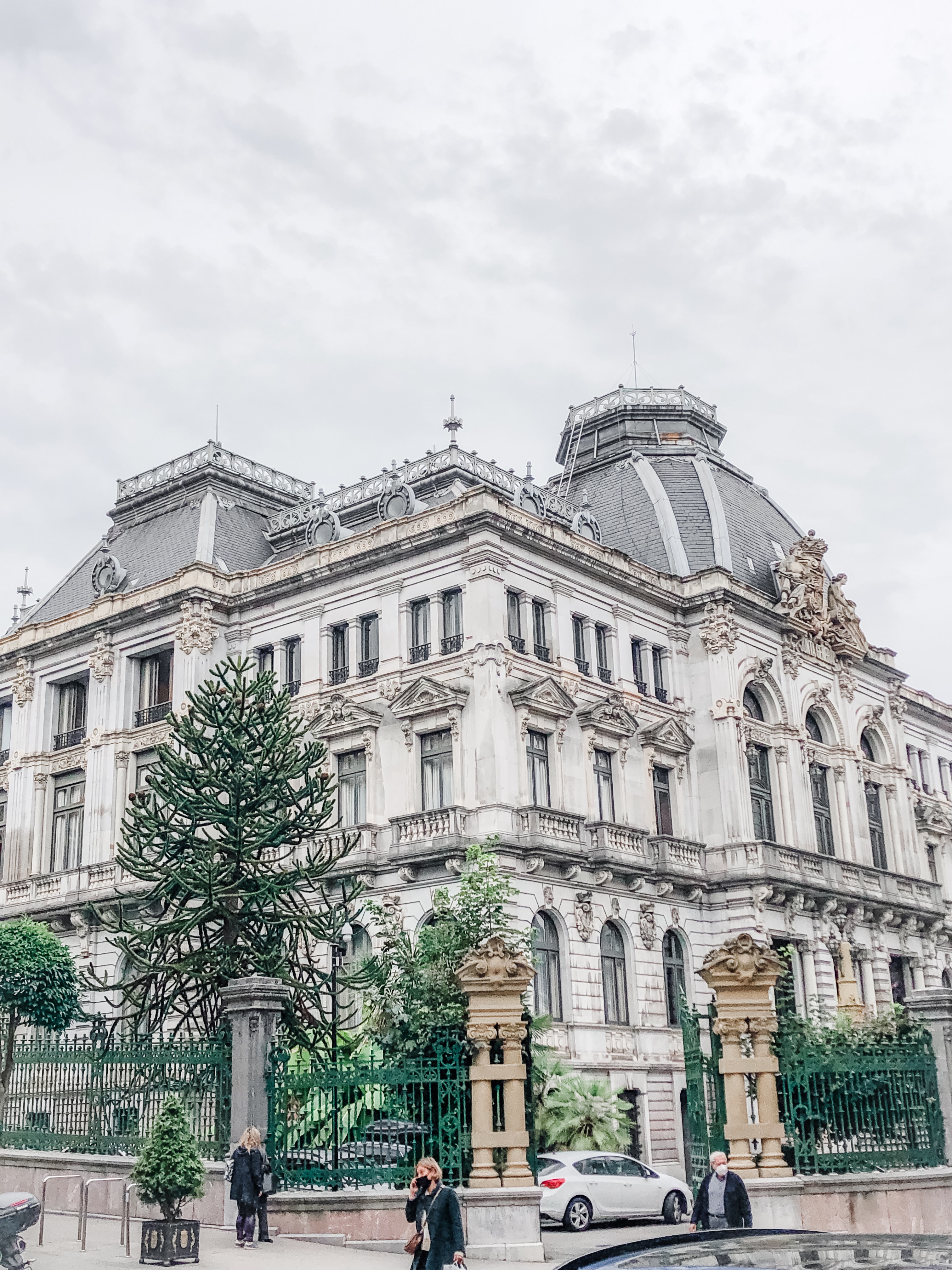
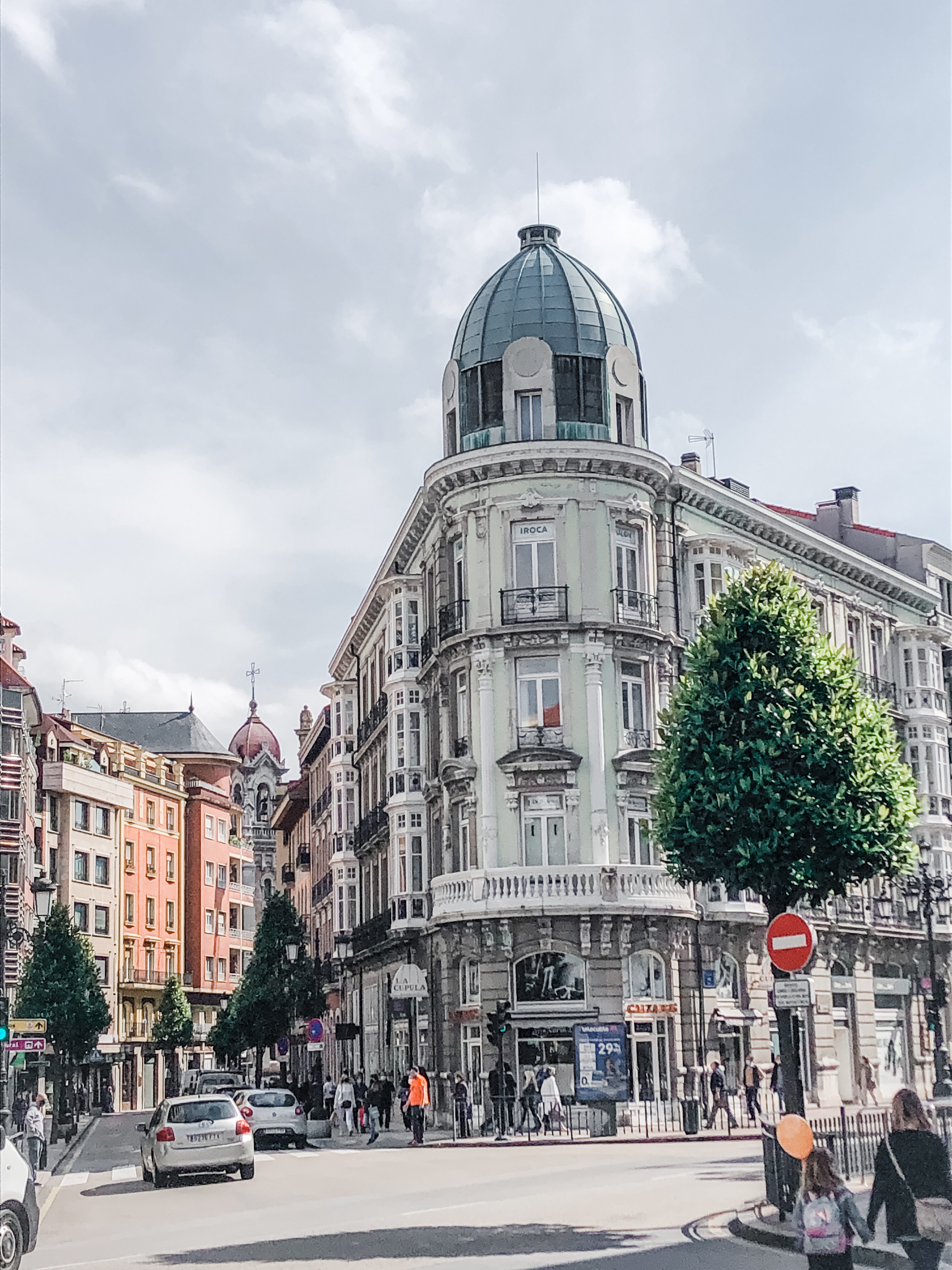
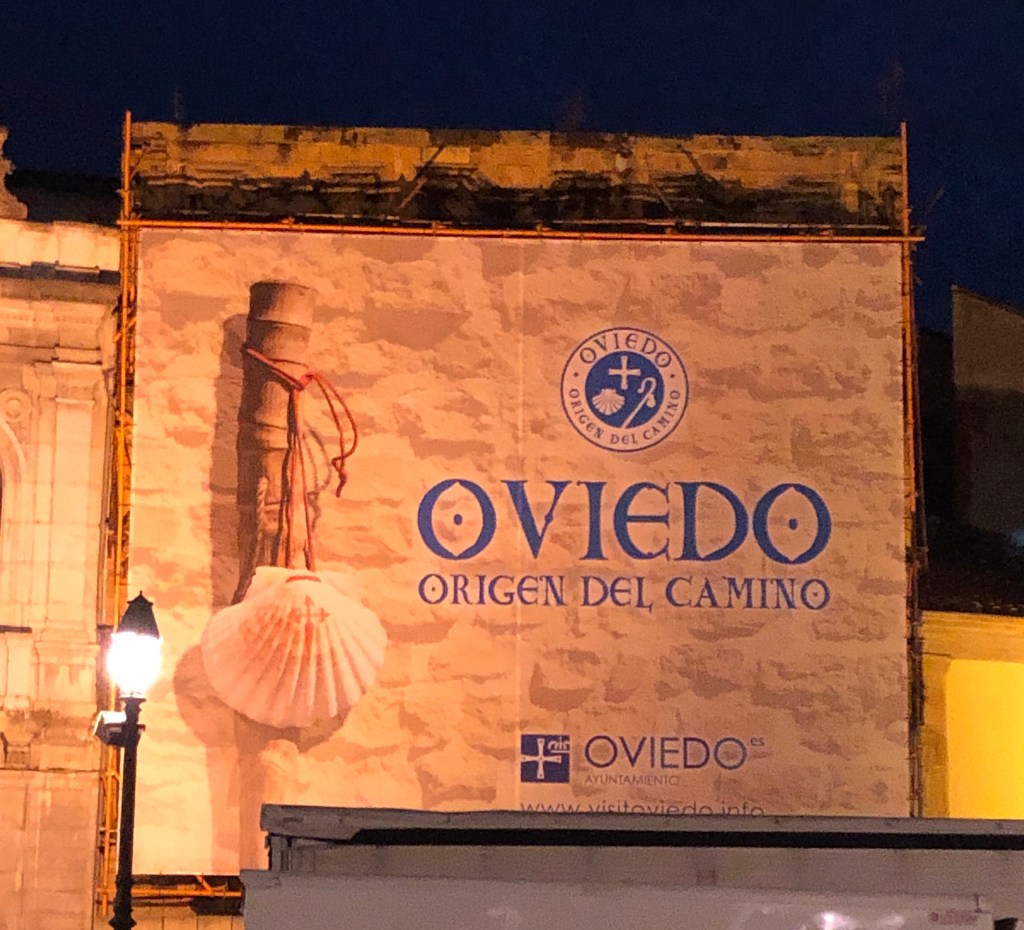
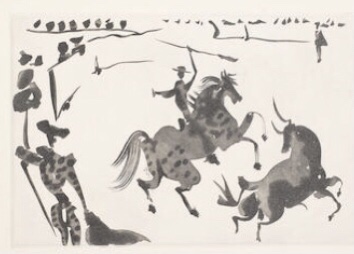
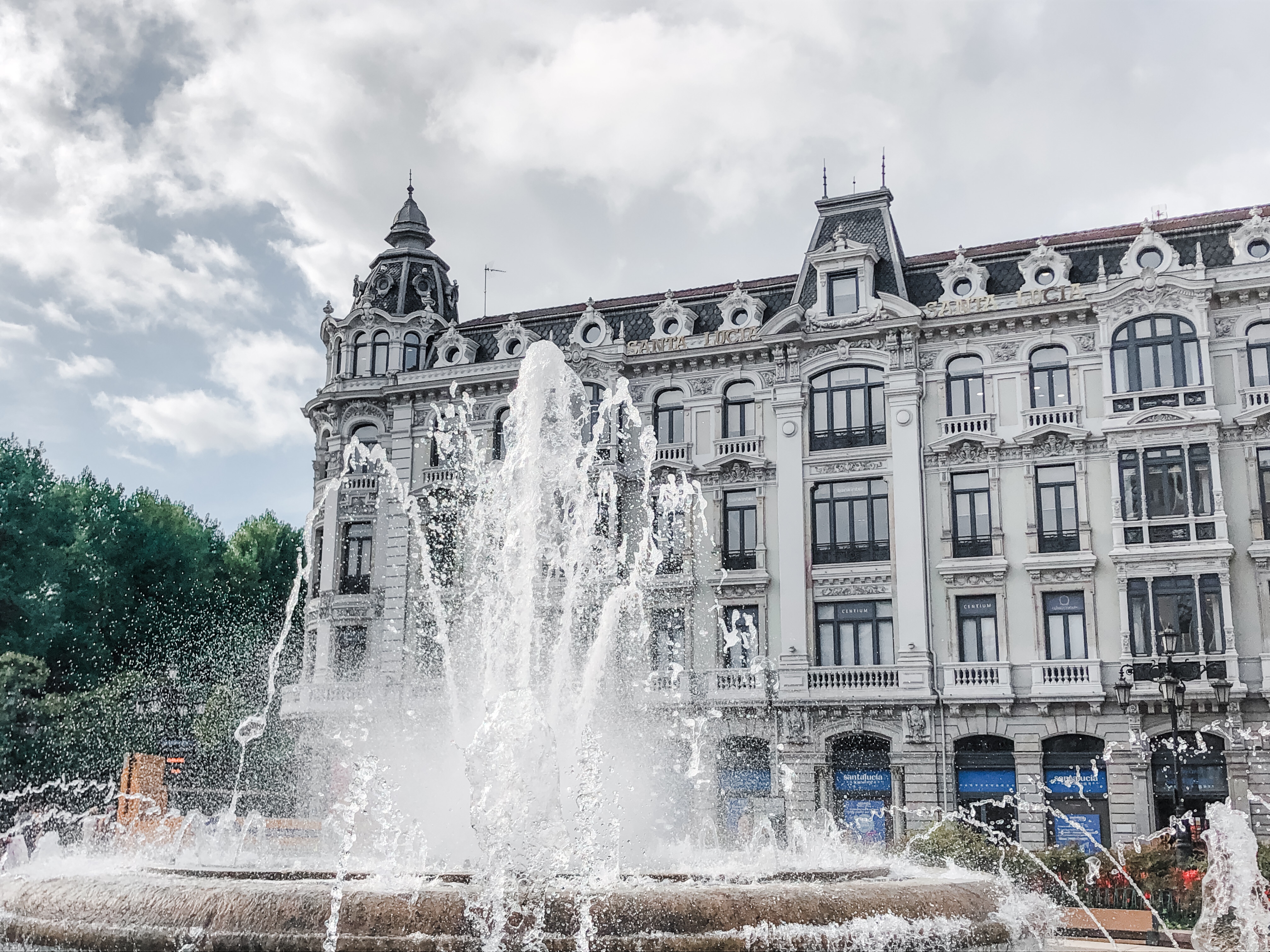
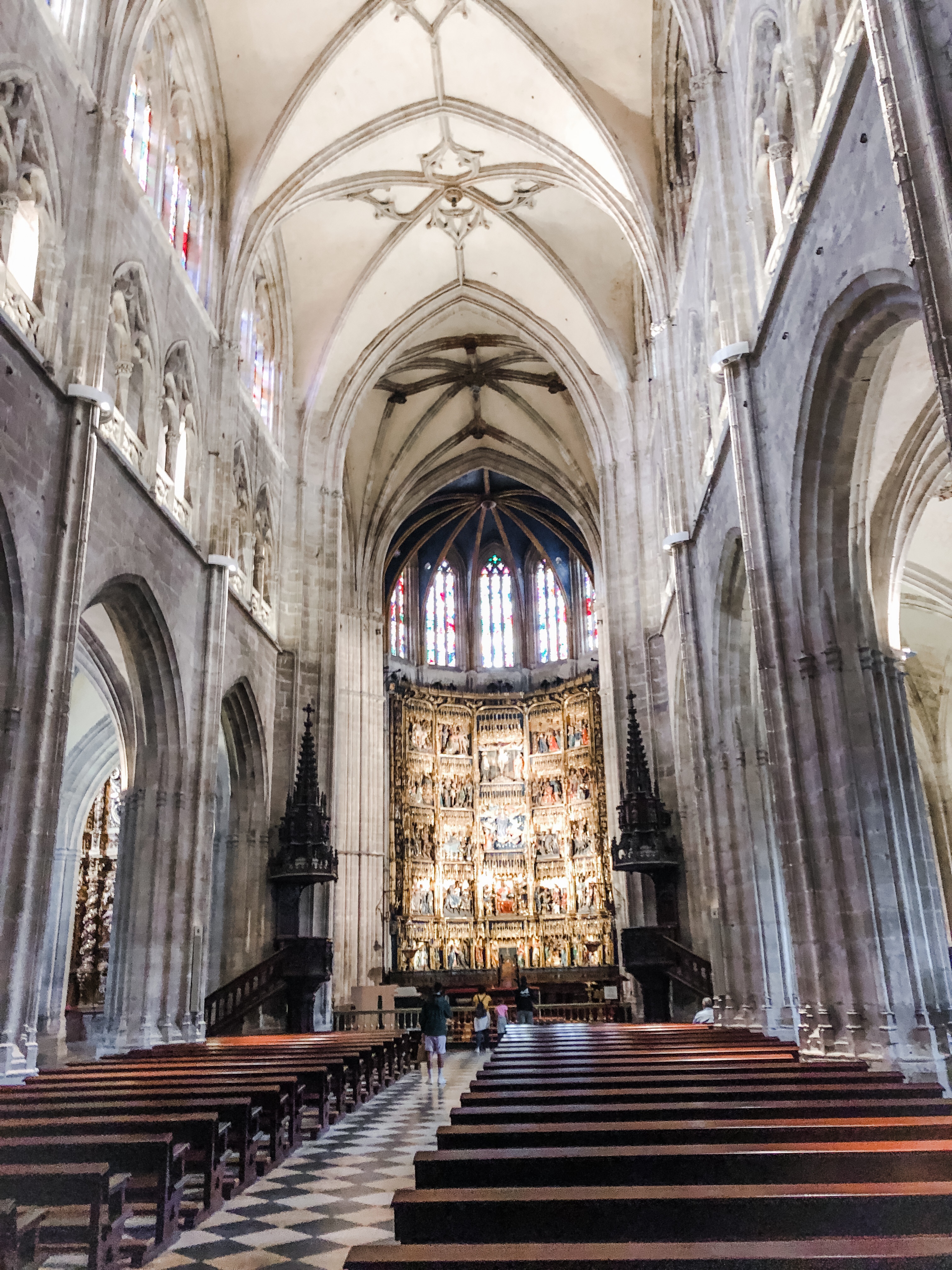
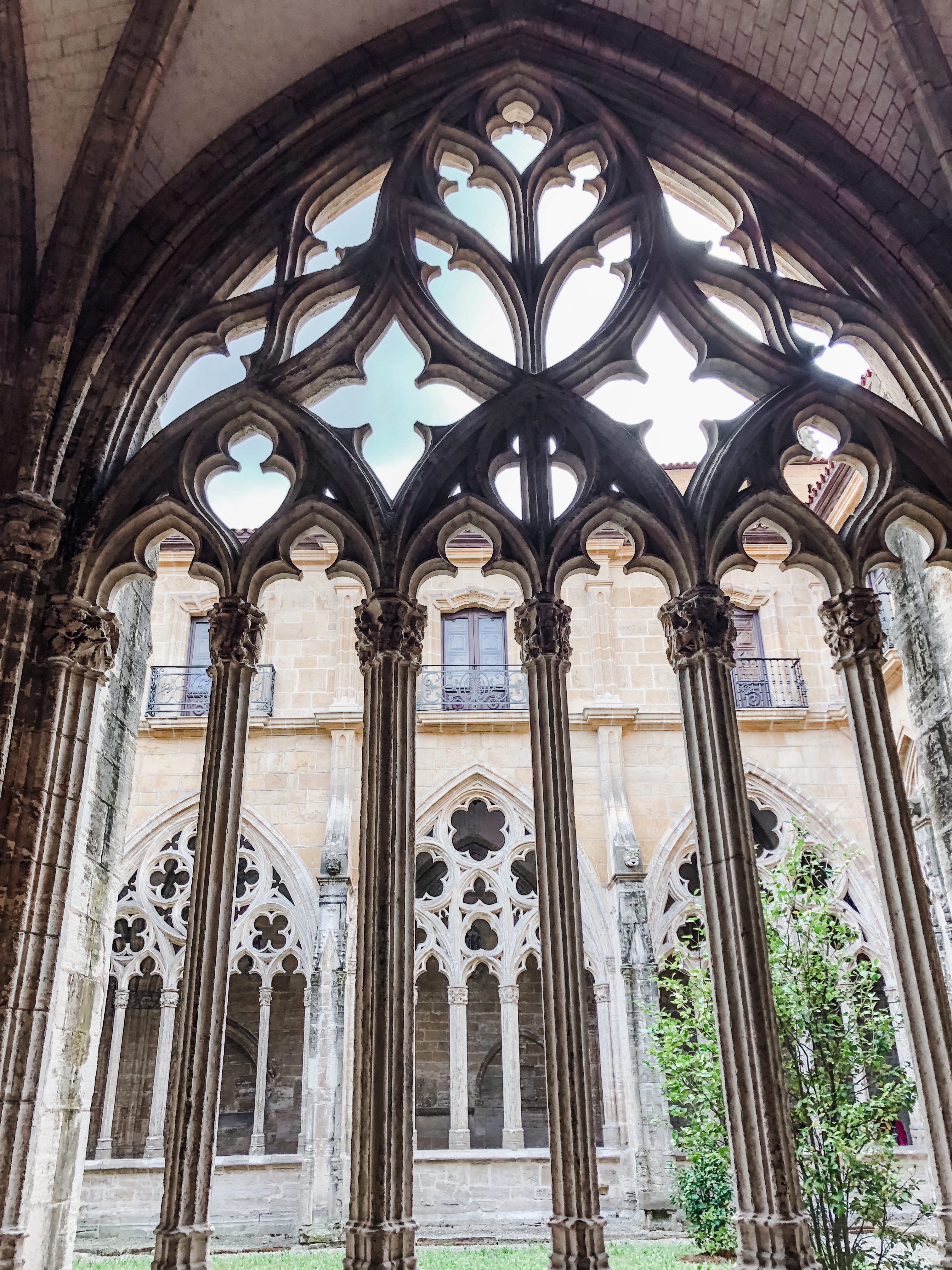
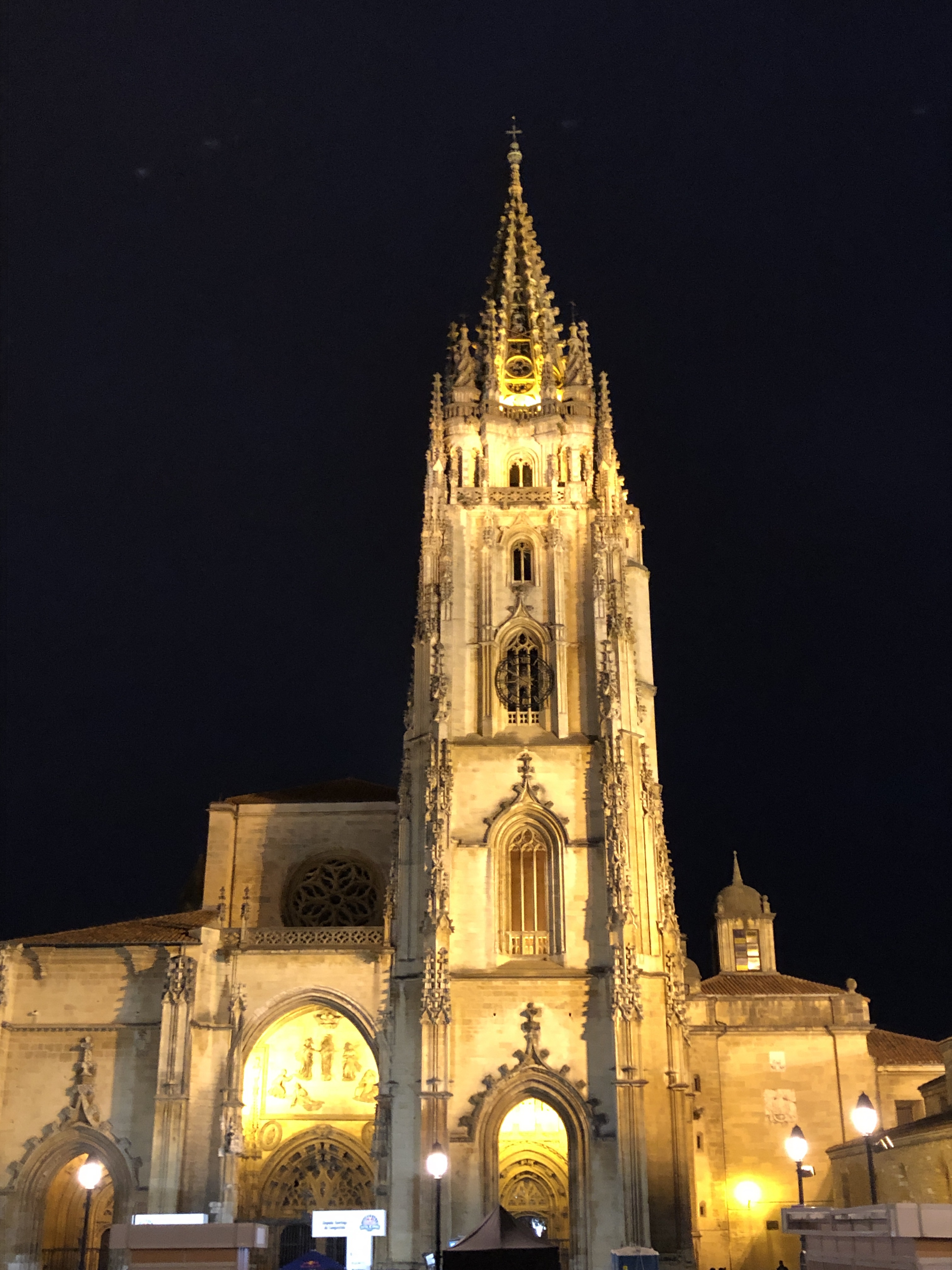
We arrived in Oviedo, the capital of Asturias, to join up and converge with the original Camino De Santiago route, Camino Primitivo, in the thick of the Jubilee celebrations. As pilgrims stopping at the Oviedo Cathedral, to get a sello or stamp on our Camino passport, we were greeted with lights, decorations and music to inspire us while walking the Camino during a Jubilee year. Afterwards, standing outside the cathedral, pondering how our lives could intersect with the original Biblical Jubilee celebration, a Francisco Goya painting on a banner at the Oviedo Fine Arts Museum next door caught my eye. I had just visited a Pablo Picasso exhibit in València a month before where Picasso paid homage to Goya by copying and reinterpreting Goya’s original 33 bullfight paintings, La Tauromaquia, into his own 26 brush drawings. Bullfighting, brought to Spain originally by the Moors, is a symbolic dance or fight between man and beast, and man vs himself. The Jubilee year, in that vein is also a fight against the beast in us—at odds with others, God and self, and to find reconciliation with all.
“Art, through its creative power, may trigger reconciliation and harmonization between individuals and peoples. Through art, beings can meet and exchange their points of view, as it rules out alienation, and arouses understanding. By definition, art is universal and helps to cross borders and barriers without prejudice.”
Erik Pevernagie
Goya’s painting left. Picasso’s painting right
Fighting and struggling against each other individually and collectively seems to be the original human condition, Cain vs Abel, Jacob vs Esau, Christianity vs Islam, political parties against each other, generations blaming each other—everyone is exhibiting bullish behavior. Applying Picasso’s methodology during the Jubilee year, and viewing each other in original ways, with new eyes, can we reinterpret them and ourselves and find middle ground? Can we make peace and converge on the original path of walking uprightly and justly side by side? Isaac’s twin sons Jacob and Esau, both enemies from childhood, as Jacob “stole Esau’s birthright” were able to reconcile and get along in later years — can we too coexist peacefully together?
“The arts represent one of the few areas in our society where people can come together to share an experience even if they see the world in radically different ways. The important thing is not that we agree about the experience that we share, but that we consider it worthwhile sharing an experience at all. In art and other forms of cultural expression, disagreement is accepted and embraced as an essential ingredient.”
Olafur Eliasson
It was interesting to us that in a Jubilee year, people are to “return to their families.” We just visited the Basque Lands of Steve’s grandfather, essentially “returning to family.” Our thoughts have also returned to him, thinking of the struggles he endured. Our original thought process moving to Spain was to find some of Steve’s ancestors but now in a Jubilee year, a consecrated or dedicated year, and we are redoubling efforts to family by doing genealogy.
Red Jubilee decorations
“Be original and explore new roads.”
Nanette Mathews
Oviedo Pilgrim Cathedral
“You were born an original. Don’t die a copy.” John Mason
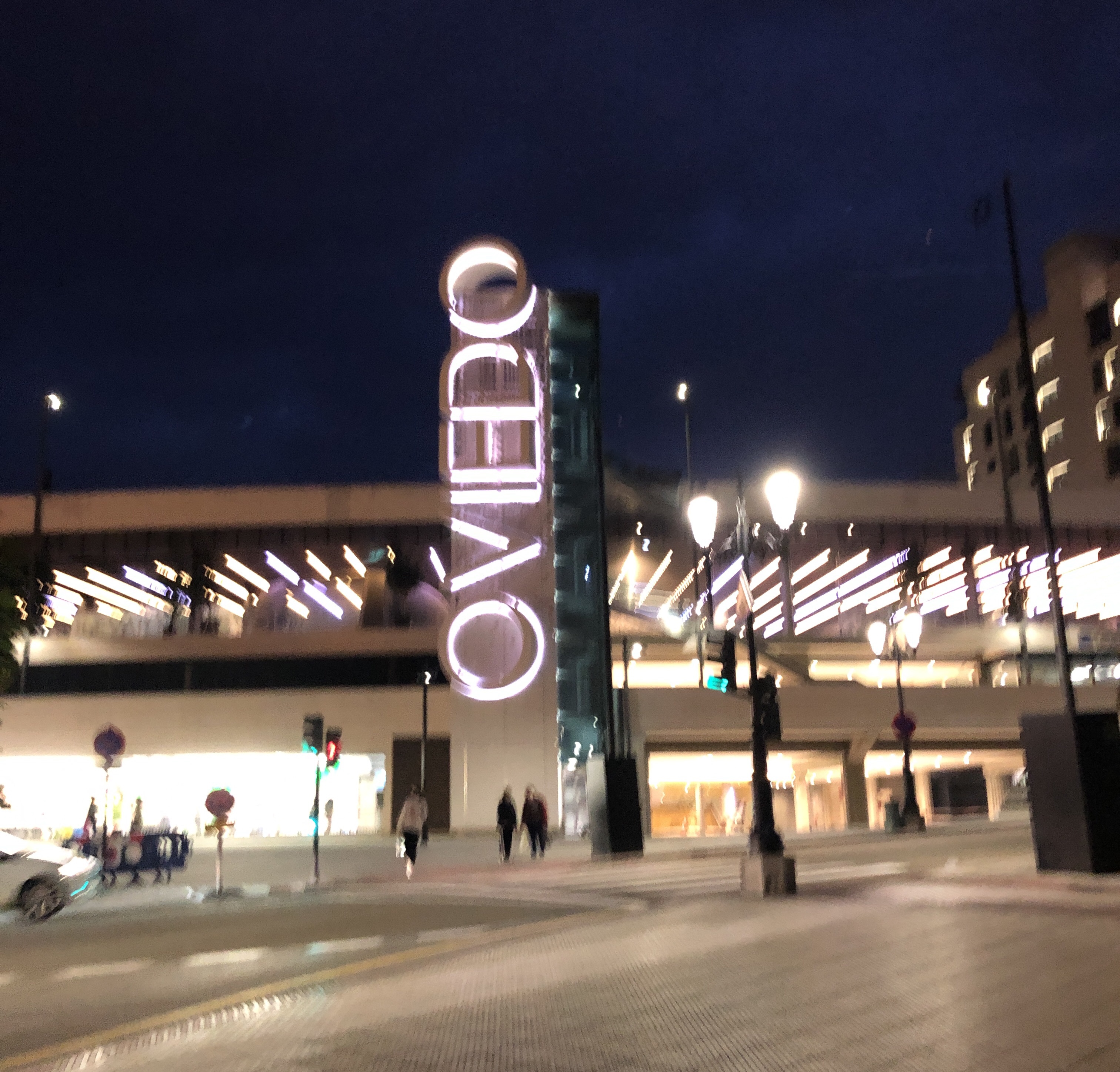
Oviedo at night
One of the people we met on the Camino is an artist who takes broken tiles from friend’s homes that are being remodeled and makes them mosaic backsplashes behind their stoves and sinks. The images she creates are incredibly intricate and lovely. This adventure on the Camino, walking beside diverse “broken” pilgrims, struggling with disabilities, missing limbs, illnesses, heartaches…has been an exercise in seeing the original mosaic pieces we each are and how we fit together to make a beautiful art. We all need each other, different opinions, thoughts and all. How we interact is constructive or destructive. Chose original kind reactions when faced with unoriginal hate and anger. Chose a Jubilee year of reconciliation and peace.
CAMINO STAGE 20- Villaviciosa to El Berron (Pola de Siero) El Camino Norte Route diversión to Camino Primitivo of El Camino De Santiago 21 miles- Day 21, 16 days to go
Pola de Siero
“Wherever you go, go with the wholeness of your heart.”
Lailah Gifty Akita
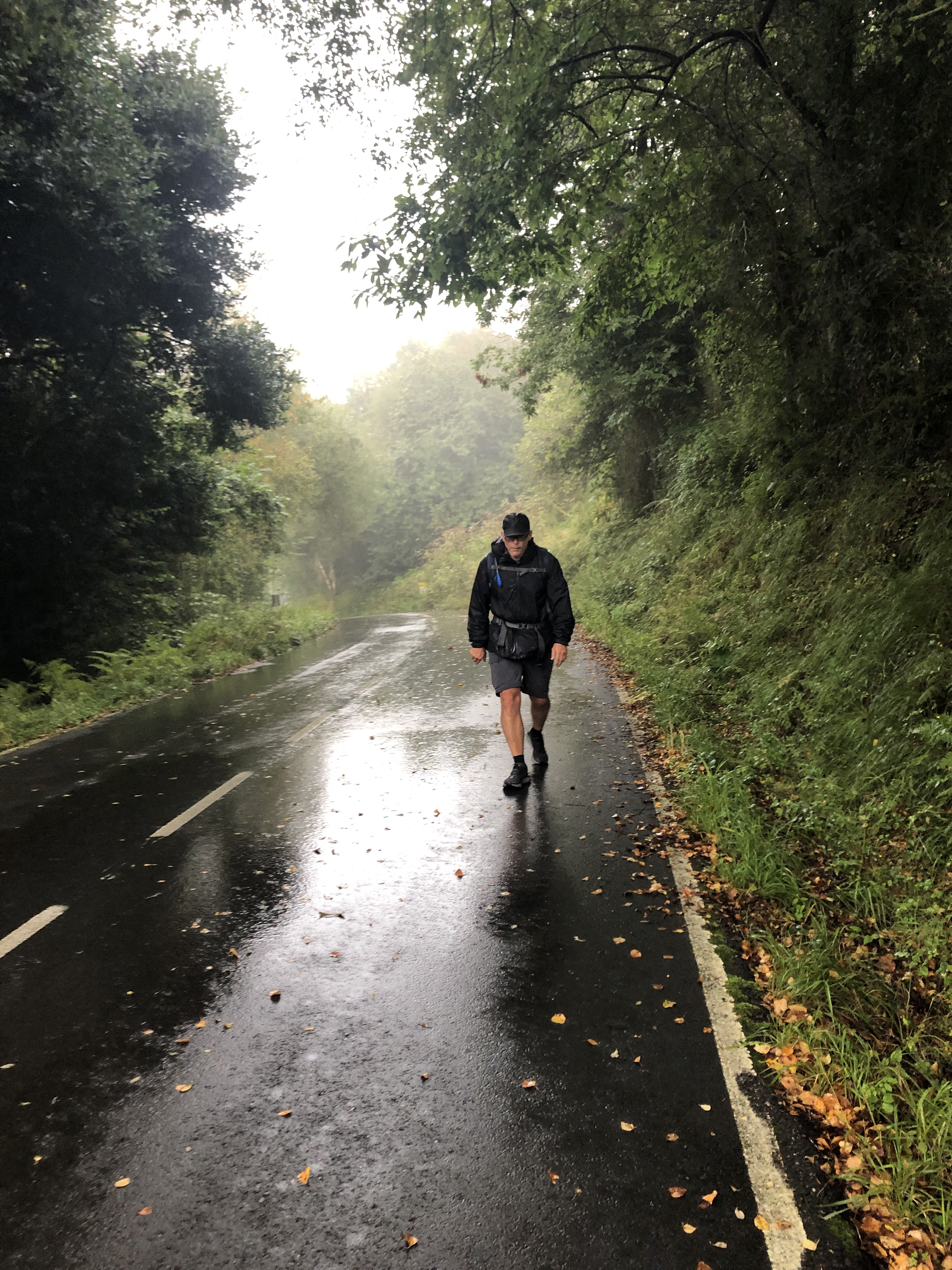
Popping into a store to buy and send my sister-in-law a postcard, at the checkout I stood next to a t-shirt aimed at pilgrims with a front that said ‘those that walk with God reach their destination,” and a back that said “GO with God.” This popped back into my mind as we walked into Villaviciosa yesterday, damp in clothing but not in spirit, and two different residents said to us “Vaya con dios.” This means “Go with God.” This is a goodbye but also a blessing offered for someone on a journey. This small gesture touched my heart, and I recalled it a few times today on the Camino as the rain fell for six hours while we forged overflowing streams, walked in mud, slid on mountain trails and found neither shelter or water to drink. We were watched over as we made the twenty miles unharmed. It was not a coincidence that at the top of each steep hill, there was a little chapel or hermitage to remind that we were “going with God” in this wild, beautiful land.
All through Asturias, there are incredibly green rolling hills courtesy of the rain. It felt at times like we were in Ireland. At one point while walking, I thought the rain might have stopped, and I started to take off my jacket only to realize the famed Asturian mist was just as damp as the rain. The jacket stayed on. It’s interesting that the locals have several words to describe the different types of rain like L’orbayu to describe their misty rain.
“During our lives…head down in the rain, just try to stay upright..go on with a little hope.” Lance Armstrong
Going on in the rain
“Go and do the things you used to talk about doing but never did. Know when to let go and when to hold on tight.”Kristin Armstrong
We had a couple stints getting off mountainous trails and walking on the road. These giant colorful slugs, nearly the size of my boot, inched along with us.
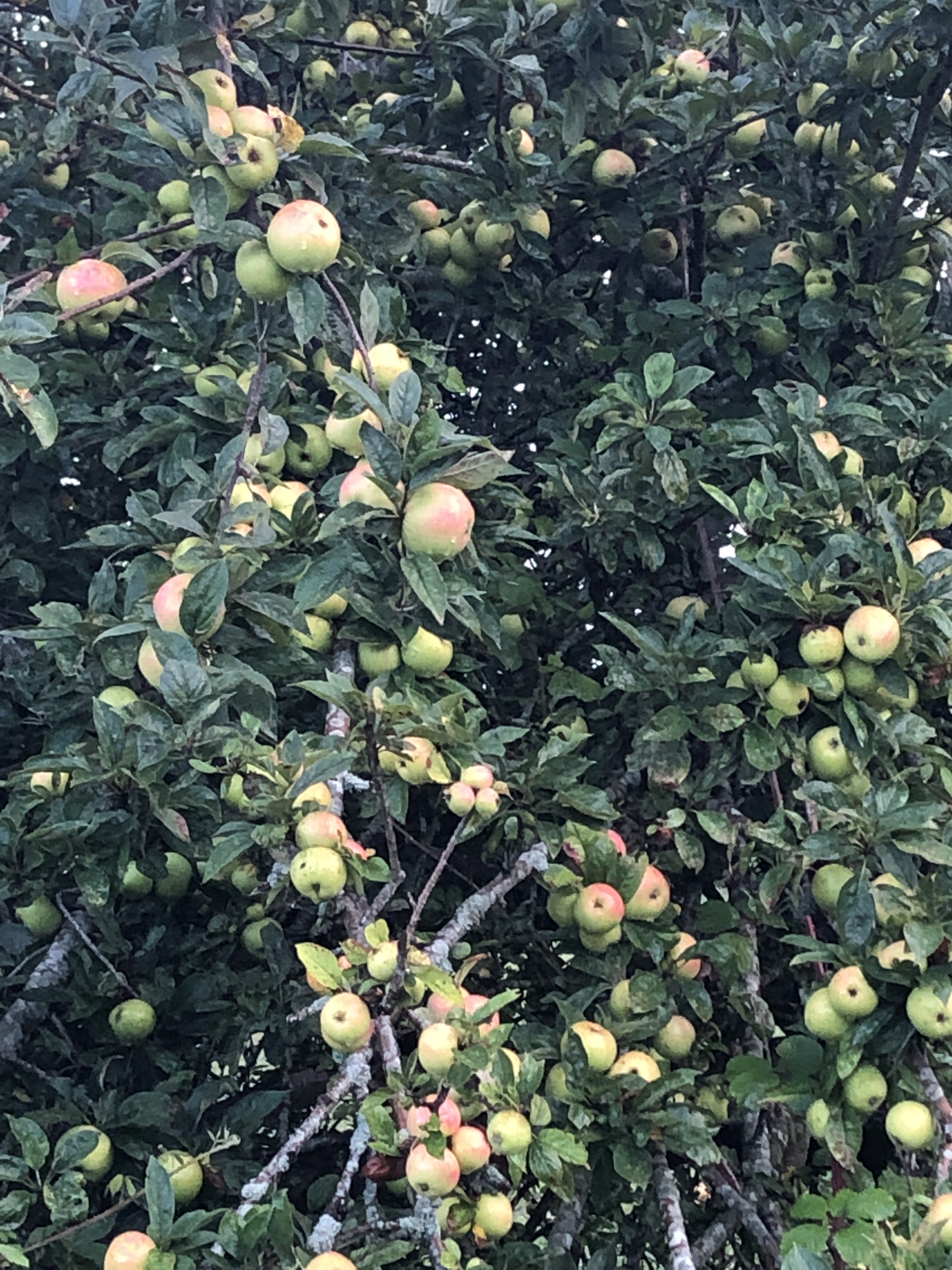
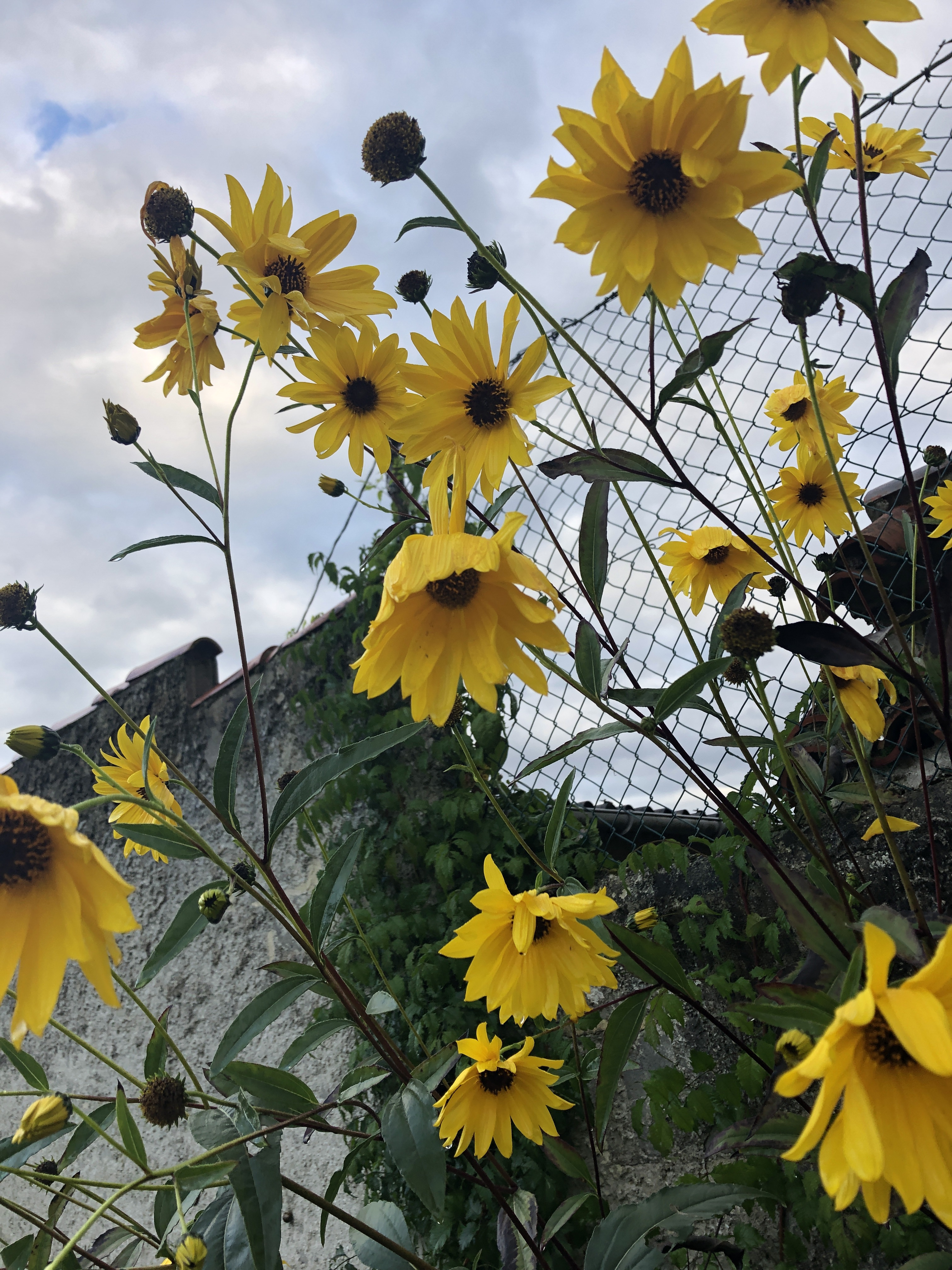
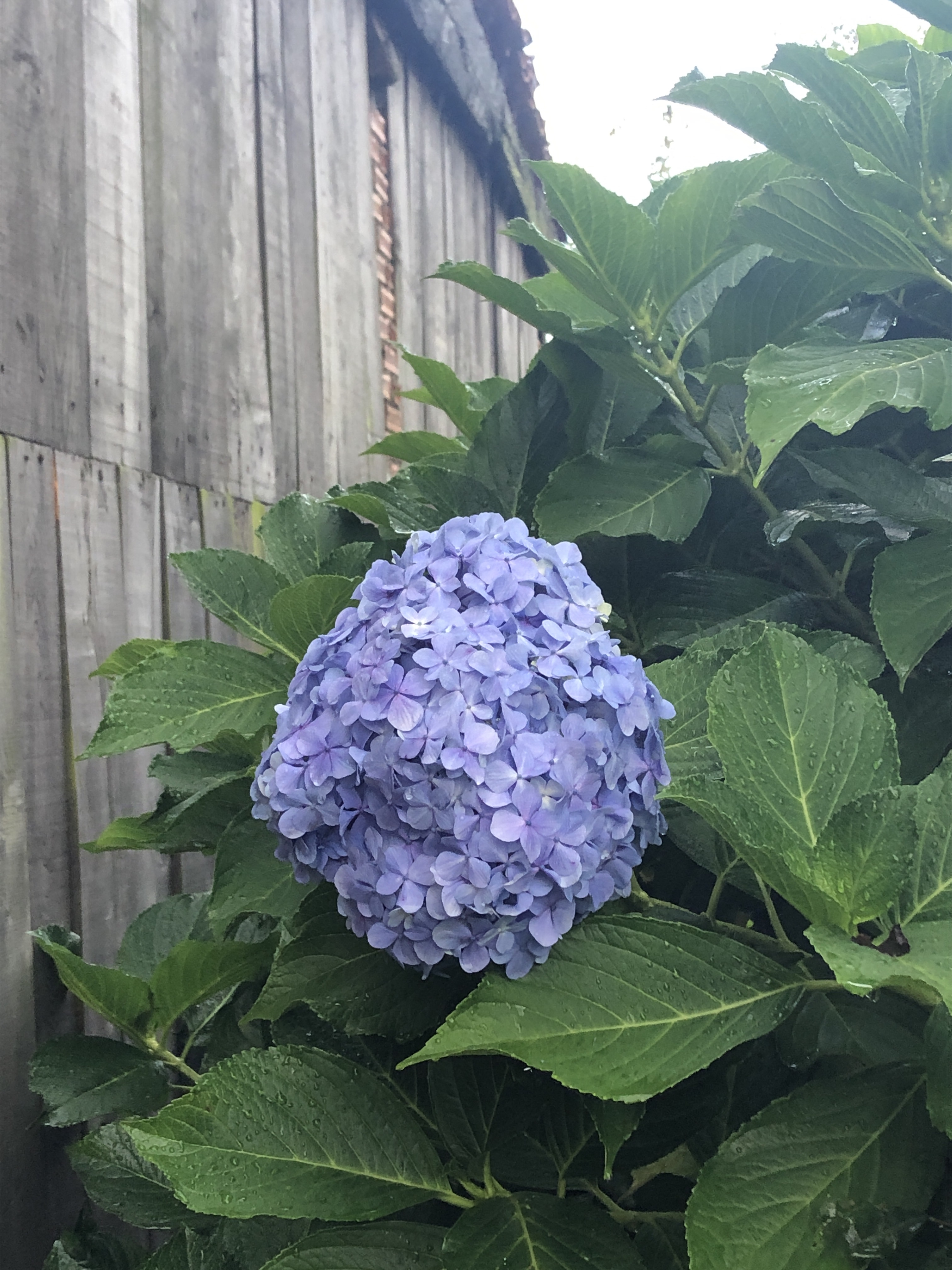
There were also vibrant flowers coloring the gloom next to grazing cows unfazed by the rain. Apple trees dotted the mountainside as fermented apples, not grapes, are the basis for Asturian cider or sidra. Now we understood why in Villaviciosa the day before, we saw numerous“sidrería” —an Austurian institution where friends and families gather to drink, eat and celebrate life. Locals pour cider from a large wooden barrels and laugh and sing. Silos also dotted the landscape which store apples at harvest time. In my mind, I could see why people who still made and cured cheese in caves and made apple drinks and tarts, thrived here.
“Imagination will often carry us to worlds that never were. But without it we go nowhere.” Carl Sagan
The main irritant besides the rain was dogs growling and snarling at us nearly the whole Camino trek today. There were angry chained German Shepherds and Perro de Presa Canario, a Mastiff dog breed from the Canary Islands off the coast of Spain, known to be aggressive guard dogs. We weren’t sure if these dogs were protecting cider vats and presses or just a warning by the hardy people inside that they weren’t to be trifled with. But every house had 3-4 dogs as well as alarm signs. Historically, Asturians were the only people not conquered by the Moors during their occupation in Spain, and earlier when the Romans liberated Spain from the Carthaginians and tried to be one power to keep safe boundaries in Spain, Asturians, an aggressive, recalcitrant people from Celtic origins, declined and offered a lengthy resistance to Romans. They proved they were capable of defending themselves. (Asturians, have a DNA match to Celtic tribes with Danish and Norse Viking blood. And interestingly enough in Asturias, there are megalithic burial mounds/dolmens that mirror Celtic burial mounds in Ireland.) Asturuans are as rugged as their mountains. There terrain is considered one if the most difficult to traverse with its steep hills, narrow valleys and wet conditions. We are both of Celtic descent, with Steve also carrying Basque DNA, and we did just fine stubbornly walking on in our sodden boots as other drenched poncho covered pilgrims lagged behind.
“Whatever comes, let it come, what stays let stay, what goes let GO.” Papaji
Along with the avoiding the growling dogs we were forced to avoid Pola de Siero our destination on this Camino stage. In 1270 King Alfonso founded the city, specifically created to provide accommodation and sustenance for pilgrims travelling the Camino de Santiago en route to Santiago de Compostela. But entering Pola de Siero, through the fertile countryside, we got a strange set of mixed messages. There was a feeling of “GO away pilgrims” (as there were no hotels available to pilgrims) and locals looked at us with suspicious stares. But then there was the funny message ‘come buy our cider from our cider-centric village.’ The cider became a mainstay during the 16th century voyages to South America and whaling and cod expeditions in the northern Atlantic. Sailors that didn’t drink cider contracted scurvy, a vitamin C deficiency. Drinking the juice from the apples fermenting in huge barrels on the ships prevented scurvy, and from them on this low alcohol content apple cider became mainstream in Basque and Asturian culture. We bought apples but pressed on with our tired feet to El Berron for the night.
When we lived in Rome there was this little church “Quo Vadis,” outside of the city walls where a discouraged Peter, tormented by the city inhabitants, decides to leave the city. He is stopped by an angel who tells him not to go, as God walks with him. There was a little plaque with a scripture from Romans 8:31 on the wall: “if God be for us, who can be against us?” In the spirit of “Vaya Con Dios” going with God, we carry on to our destination come blister, back ache or high water to Santiago de Compostela as we go with God.
.
“Go with joy, with gratitude, with focus… you can only really go when you let go.” Kristin Armstrong
CAMINO STAGE 19: La Isla to Villaviciosa Camino Del Norte Route of El Camino De Santiago. 14 miles, Day 20, 17 days to go
Villaviciosa
There’s a movie line from a 90s film, A League of Their Own, where Tom Hanks, a new coach of a women’s baseball team, angrily criticizes one of his female players. She cries, and he shouts at her: “There’s no crying in baseball,” and she cries even harder. Walking in the rain today with water dripping off the brim of my hat and running down my face, Steve looked over at me and said “You look pretty.” Laughing at the ridiculousness, I said “You’re joking, right?” I leaned in to give him a peck, and he said “there’s no kissing on the Camino!” and I laughed harder despite looking and feeling like the sodden pony nearby. This got me thinking of the myriad of vying emotions, conditions and responses in any given moment. We always have two ways of acting and responding to stimulus and situations. The baseball player in the movie could have quit, but she used her embarrassment and hurt to work harder and inspired other teammates. Hanks learned to bite his tongue instead of hollering when frustrated, and joked around with his players instead of criticizing to get results. His team rallied and won. Steve could have made the miserable situation worse by barking at me like the dog deep growling at us nearby and made frustrations worse as cars sped past and sprayed us with puddled rain, and muddy water seeped into our shoes, but he chose humor. I could have gotten offended, or snapped back, but laughed instead. We all are a two sided coins and have choices to stimulus. We chose to lumber on happily side by side and pick the best outcome of the duality, the two sides, the kind or the impatient, that we all possess.
To accept duality is to earn identity
Joss Whedon
“If we never experience the chill of a dark winter, it is very unlikely that we will ever cherish the warmth of a bright summer’s day. Nothing stimulates our appetite for the simple joys of life more than the starvation caused by sadness or desperation. In order to complete our amazing life journey successfully, it is vital that we turn each and every dark tear into a pearl of wisdom, and find the blessing in every curse.”
Anthon St. Maarten
Reaching the autumnal equinox, Fall is bringing on darker mornings and colder temps as we start our daily Camino. As hard as the 95 degree temps were a week ago, and as much as I wanted cooler temps, now the chilly rainy days, makes me miss the summer sunshine. My duality (getting what I want and then not wanting it) is funny to me. As I shiver in the September cold, I noticed what needs the sun but also thrives in the cold— the deep red apples ready to be harvested, cool weather vibrant flowers that enliven the dark, and the vibrant green fields glowing in the rain. The dichotomy in myself and in nature inspires and seems less confusing while walking the Camino. As I ponder the duality in both, I’m learning to embrace and appreciate the contrasts.
“Experience life in all possible ways — good-bad, bitter-sweet, dark-light, summer-winter. Experience all the dualities. Don’t be afraid of experience, because the more experience you have, the more mature you become.” Rajneesh
At one particularly hard moment, when tunnel vision happens and blocking out everything else is inevitable, Steve noticed this lovely spider web glistening in the rain. It was impressive to view the strength of such delicate strands. The wind and rain didn’t destroy it, it’s flexibility was its strength. The contrasts were beautiful and inspiring.
“You can’t have an up without a down. You can’t have a left without a right. This is duality. If you have a problem, you must already have the solution. If there’s tears, there’s laughter.” Byron Katie
It’s all good
“Those who do not weep, do not see.” Victor Hugo Les Miserable
Walking through Villaviciosa we found 17th and 18th century manor houses on two streets named Agua and Sol. Water and Sun. Fitting considering the opposing forces of rain and sun, like the laughter and tears, we’d experienced on this Camino stage. One manor home was particularly drab, and I nearly missed the importance. The nondescript brown 15th-century home was where the Holy Roman Emperor King Charles V once sought refuge during a storm on his trip to Colunga (a town we passed through on the day before’s walk). Charles V helped the people within as much as they helped him. I wondered about the people around us that we barely register, who are crying inside, not outwardly, needing help, and if we don’t look deeply to see their pain, we lose an opportunity to offer refuge to them and us with compassion.
There was also one tiny section of medieval wall from the 1200s. I walked right by not understanding what it was but Steve paused to read the plaque and called me back. This 800 year old wall fragment had withstood time. Kindness always stands through time. Tears are forgotten but genuine kindness remains. Two things in a forgettable town looking so innocuos and unimportant, and yet having historical and intrinsic importance. These were mini life lessons of looking at small details in our lives for the profound. Drying tears of others and replacing it with laughter.
Is there crying on the Camino? There are numerous teary eyed crying pilgrims we’ve encountered. A mom carrying an urn with her young daughter’s ashes, a woman divorced and reeling from betrayal, a millennial grieving for his friend’s death… we are all here carrying diverse types of pain, and possessing glistening eyes. It seems when we suffer, our eyes are open to others suffering and we shed tears for there heavy burdens.
“We need never be ashamed of our tears, for they are rain upon the blinding dust of earth, overlying our hard hearts. I was better after I had cried, than before–more sorry, more aware of my own ingratitude, more gentle.” Charles Dickens
We leave coastal Asturia behind and head inland tomorrow with the Picos de Europa “Peaks of Europe” mountain range beside us as we divert from the Camino del Norte to the Camino Primitivo. Coastal beaches and interior mountains are all part of the duality of our Camino.
“Don’t be ashamed to weep; ’tis right to grieve. Tears are only water, and flowers, trees, and fruit cannot grow without water.” Brian Jacques
CAMINO STAGE 18- Ribadesella to La Isla Camino del Norte Route of El Camino De Santiago. 8 miles, day 19, 18 days to go
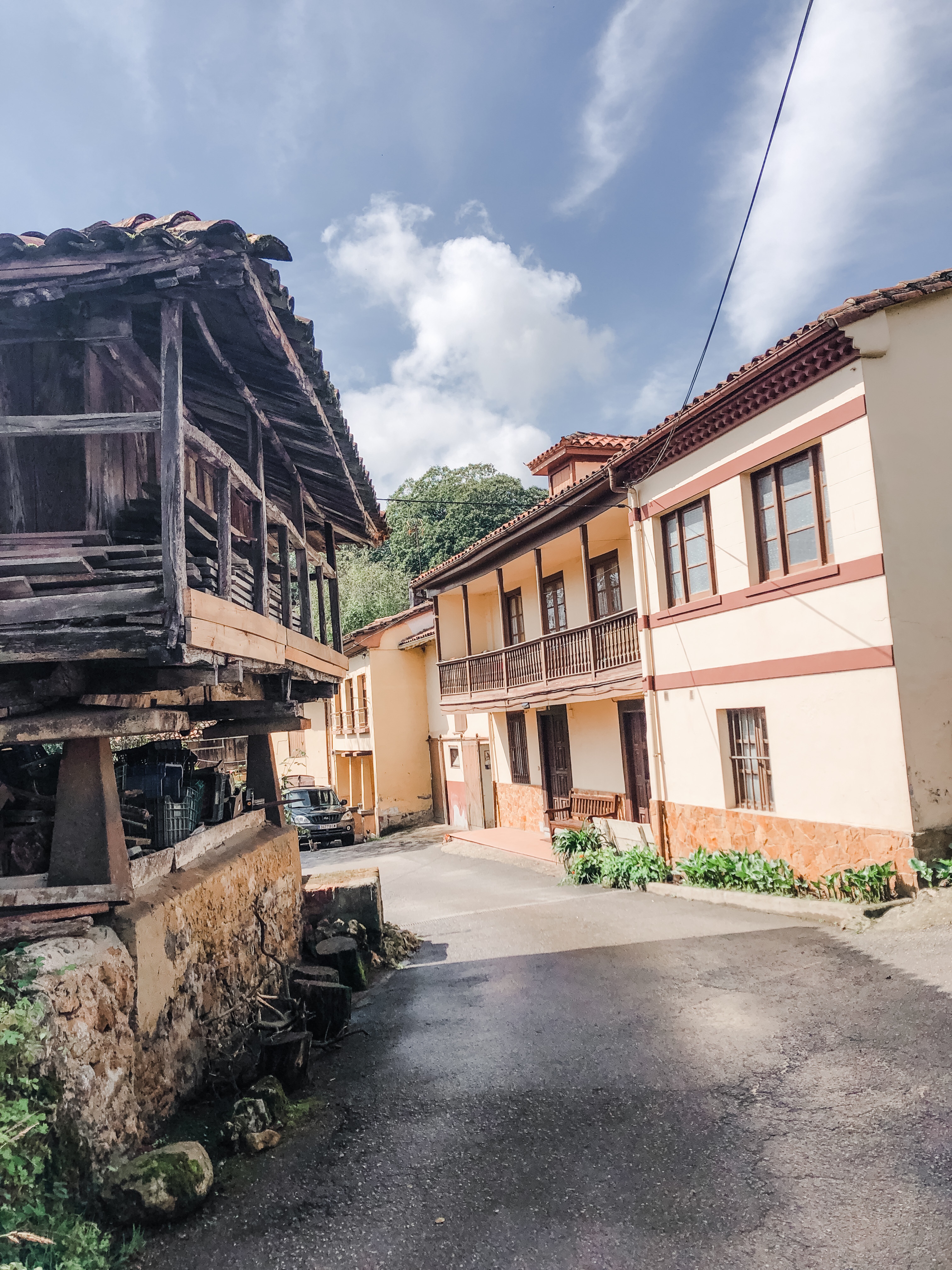
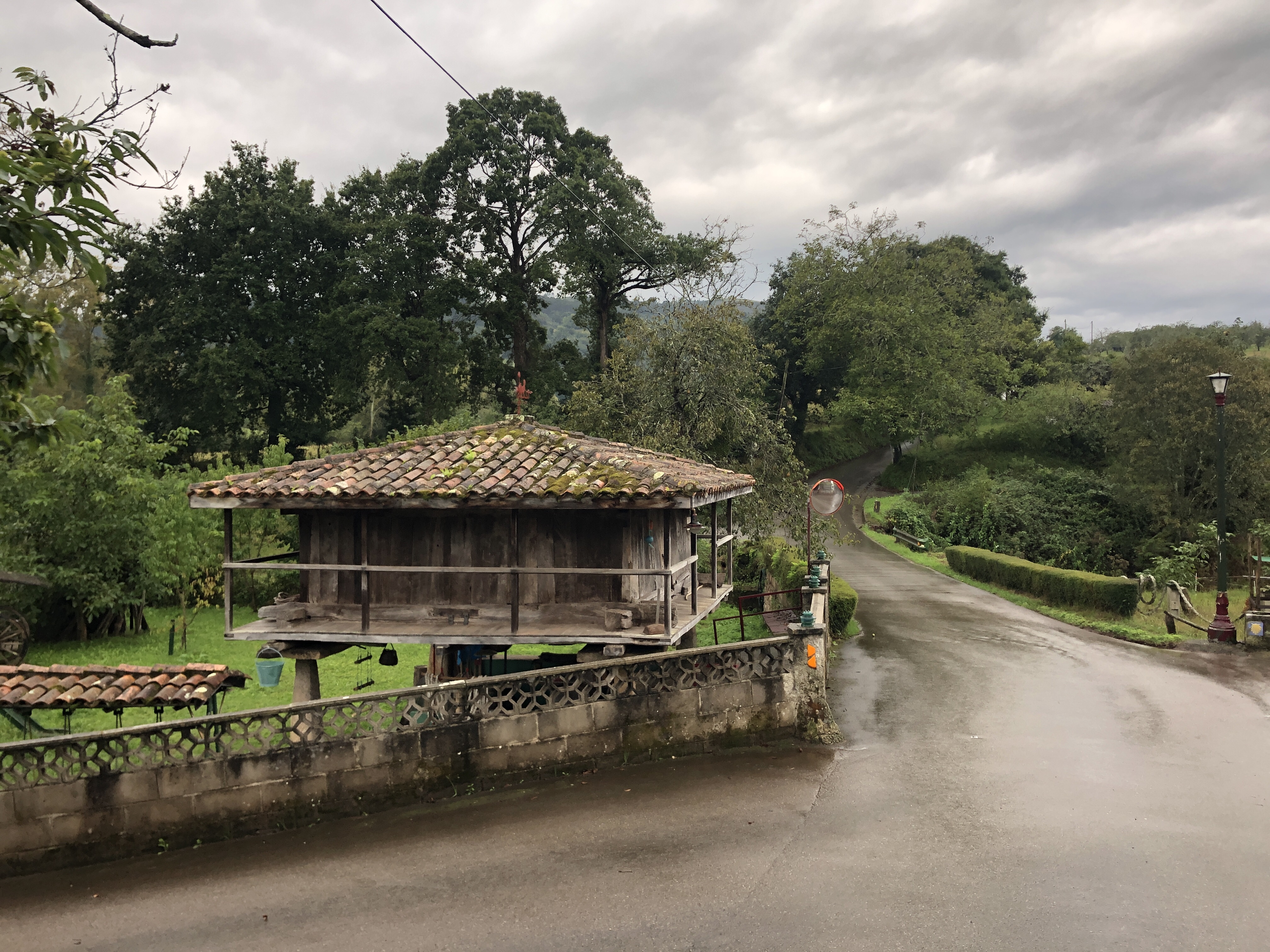
Hórreos
La Isla
“Every activity worth doing has a learning curve.” Seth Godin
In Ancient Rome, when needing to record a thought or idea, Romans used a wax-covered tablet called a tabula, covered by layers of wax or rasa, to write notes on with a stylus. To erase the notes, the wax was heated and then smoothed, a tabula rasa or blank slate ensued. Philosophers as far back as Aristotle have used “tabula rasa” to theorize that we are all born without mental content— a “tabula rasa”— without knowledge. Intelligence, wisdom and knowledge is then gained through sensory experiences or perception. Modern science has pinpointed the cerebral cortex, the outer tissue of the brain that processes sensory input, where knowledge is gained and stored on our “tablets” through a process of repetition and time. A learning curve or proficiency happens when a specific task is performed repeatedly.
Spending so much time in the quiet on the Camino, some of my blindspots have bubbled up to the surface. Wisdom, waiting for an opportune moment of quiet reflection on my part, quietly filled in the blanks with suggestions on the tabula rasa of my heart and suggested that I work on pacing myself on the Camino. Aware that I needed to work on slowing down, being present and mindful of the scenery while climbing hills, I rushed up them anyway, telling myself it was important to push my cardio capacity on the hard parts of the camino. In truth, I knew Wisdom was right, but wanted the sensation of burning quads and breathlessness over with faster. At the summit, legs seizing from lactic acid buildup, Wisdom reminded I wouldn’t be so taxed on our 37 day journey if I slowed down… My steep learning curve of pacing myself boiled down to my impatience with equanimity — being comfortable in an uncomfortable position. Wisdom whispered that equanimity would change the trajectory of my Camino if I would just try it. Now, three weeks in, and finally slowing way back, I’m understanding the hard parts of the Camino I was rushing through were actually the best parts. The difficult but beautiful segments each day, I was meant to savor, etch and take notes on the waxy parts of my heart and mind. Now the arcs in one area of my learning curve can intersect with knowledge that I need for happiness and progression.
“Year after year our tables get no completeness, and at last we discover that our curve is a parabola, whose arcs will never meet.” Ralph Waldo Emerson
Trenches of Civil War
However, if there was one good thing about rushing up a mountain, it would be the photos and videos I had time to take, while waiting for others to catch up. Plus I had time to decipher the historical markers explaining what had transpired in the past. The latest historical marker we encountered explained in the summer of 1937, during the Spanish Civil War, La Isla residents, and the Republican army prepared for an invasion of Franco’s troops, backed by Germany and Italy, by digging and hammering out trenches in Asturias along the limestone coast to defend themselves. These trenches, eighty five years later still haven’t been erased despite the tides, storms and seasons. Wisdom gently taught, the tabula rasa after war should never be erased, as removing and melting away the memories, atrocities and horrors of the past means another steep learning curve for generations to come.
“Those willing to leave the comfort zone of their expertise have the opportunity to climb a learning curve, forge new ground, and reap the promise of growth.” — Liz Wiseman
Continuing on the Camino past the trenches, I thought of the things I’d like erased from my life but was reminded they are engraved on my mind so I don’t make those mistakes again… wisdom learned from pain and suffering, has muscle memory. It provides the strength to have equanimity and breathe through the continued hard parts of life, because speeding through the difficulties isn’t an option.
“ I’m always on some sort of learning curve. If I can continually be surprised, then I’m alert. “ Robert Plant
I was also mindful a short time later of the unlimited learning curves in life while failing to be understood by a Castilian Spanish speaking clerk in a grocery store. Floundering repeatedly teaches me to work harder and not try to rush through learning proper vowel sounds. While watching Steve conversing and excelling in Spanish, I’m prompted anew of the power of equanimity— being comfortable while being uncomfortable. Bumbling and embarrassment is the part of learning a language and I melt and erase the discouragement from the tablets of my heart and try again.
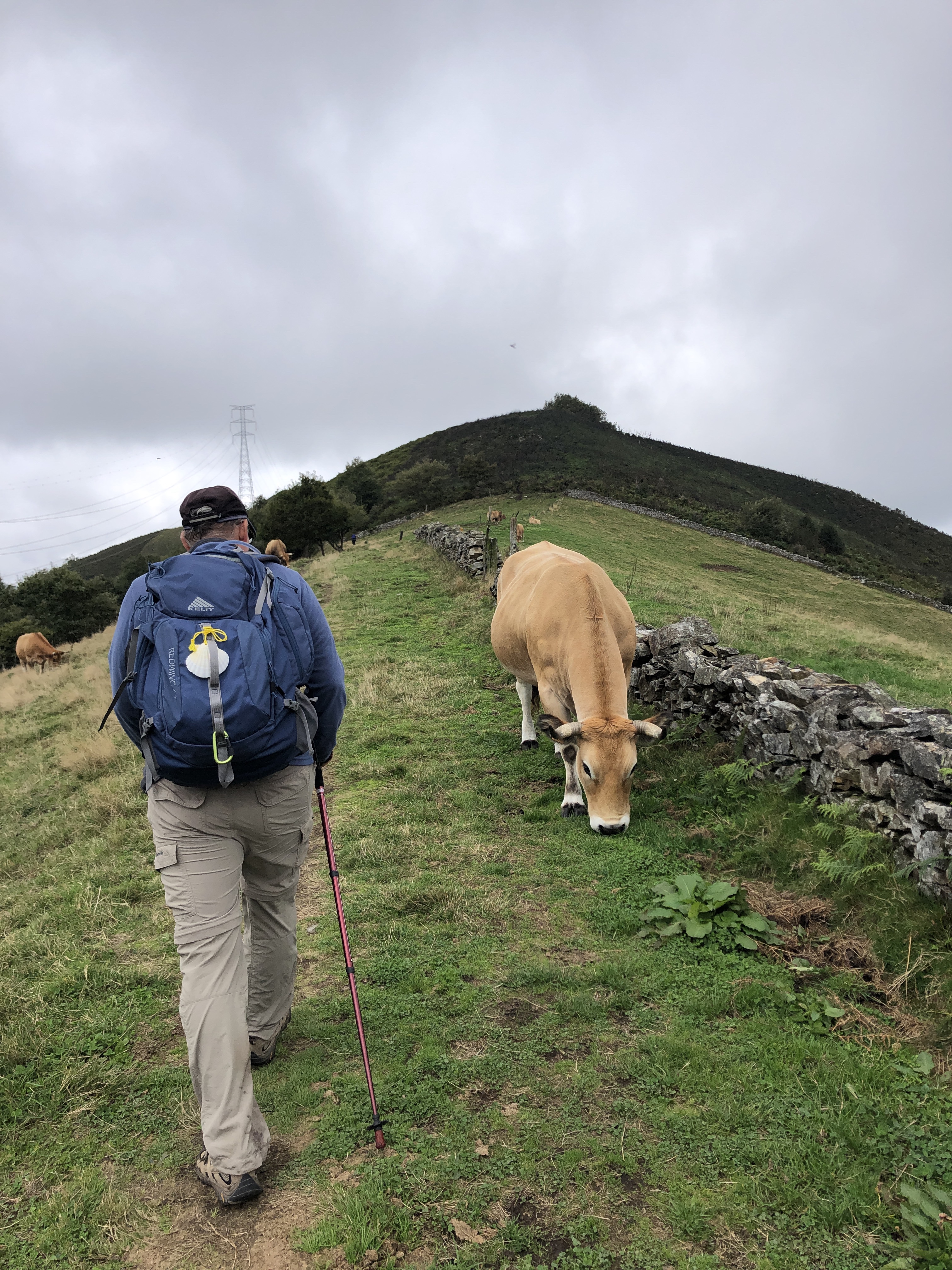
Today we reached 250 miles on the Camino, the half way mark. I feel elation we’ve made it this far but know there’s even more hard days on the horizon. Simultaneously, as I glance at the progress of my tabula rasa, I see some improvement on the work I finally took off the shelf to delve into. There are stormy days forecasted ahead, but I’m now willing to tune into Wisdom and not erase what she impresses on my heart. Learning curves like mountains are meant to be tackled slowly and patiently. Pausing and turning around now and again to admire the view, I see the hard parts for what they are—signposts to wisdom’s door.
“My learning curve has had more squiggles than I counted on.” Rodney Ross





























































































 The Unhurried Traveler