
CAMINO STAGE 30: Lugo to Ferreira Primitivo Route of El Camino De Santiago 19 miles, Day 32, 5 days to go

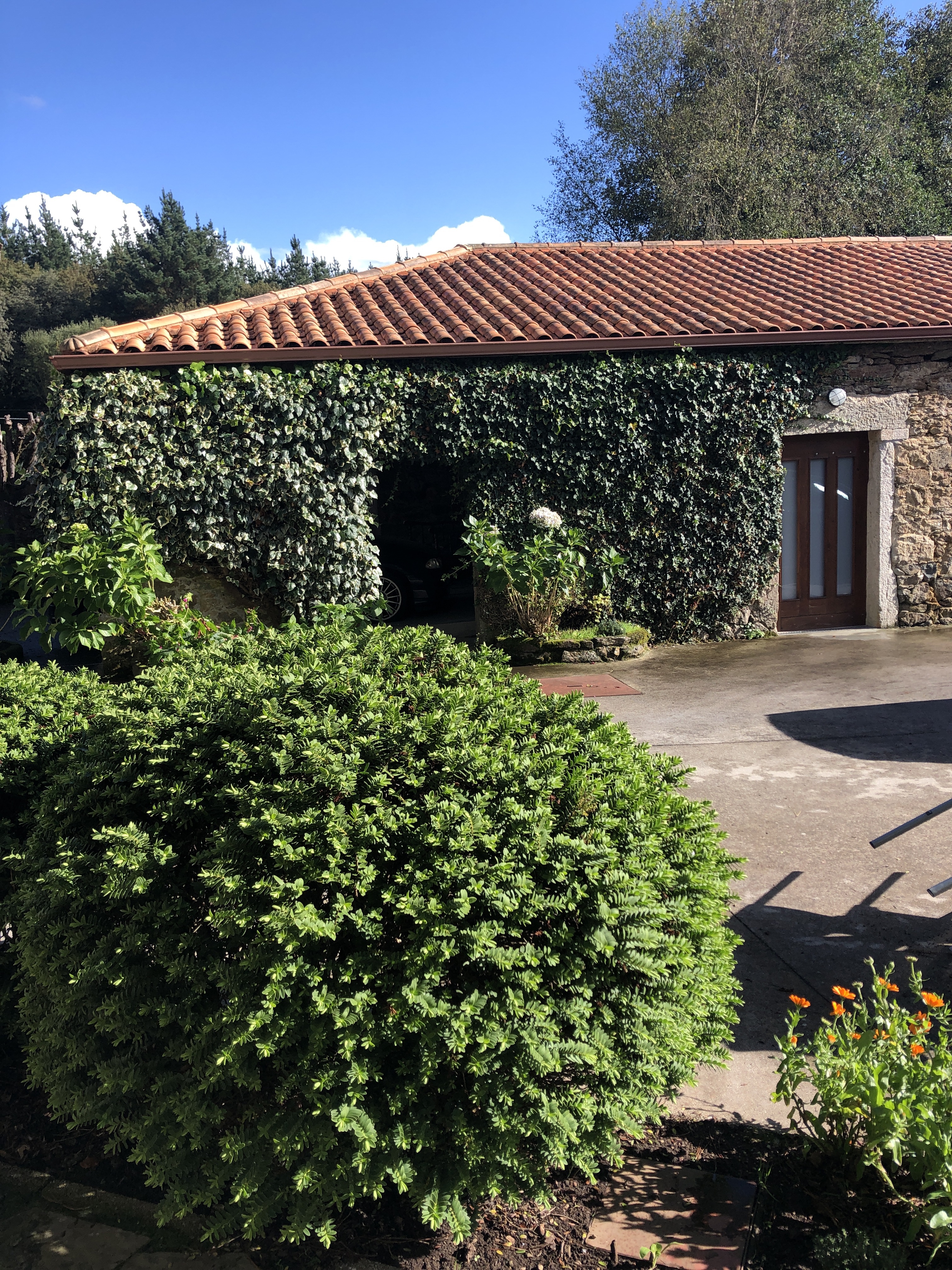
Our Cottage for the night 

Hórreo granaries
We left Lugo a bit groggy after the city partied until 3 am with rambunctious music, shouting DJs and cheering crowds during their Autumnal Equinox festival. Staying in many Spanish historic Old Towns on the Camino, we’ve discovered Spaniards enjoy their nightlife, chanting and singing until dawn, just as much as we like our sleep at night and getting up at dawn. How their circadian rhythms, driven by the light-dark cycles, differ from ours eludes me. It gets dark, and I get sleepy. But Spaniards seem to suscribe more to the Marilyn Monroe’s philosophy: “Who said nights were for sleep?”
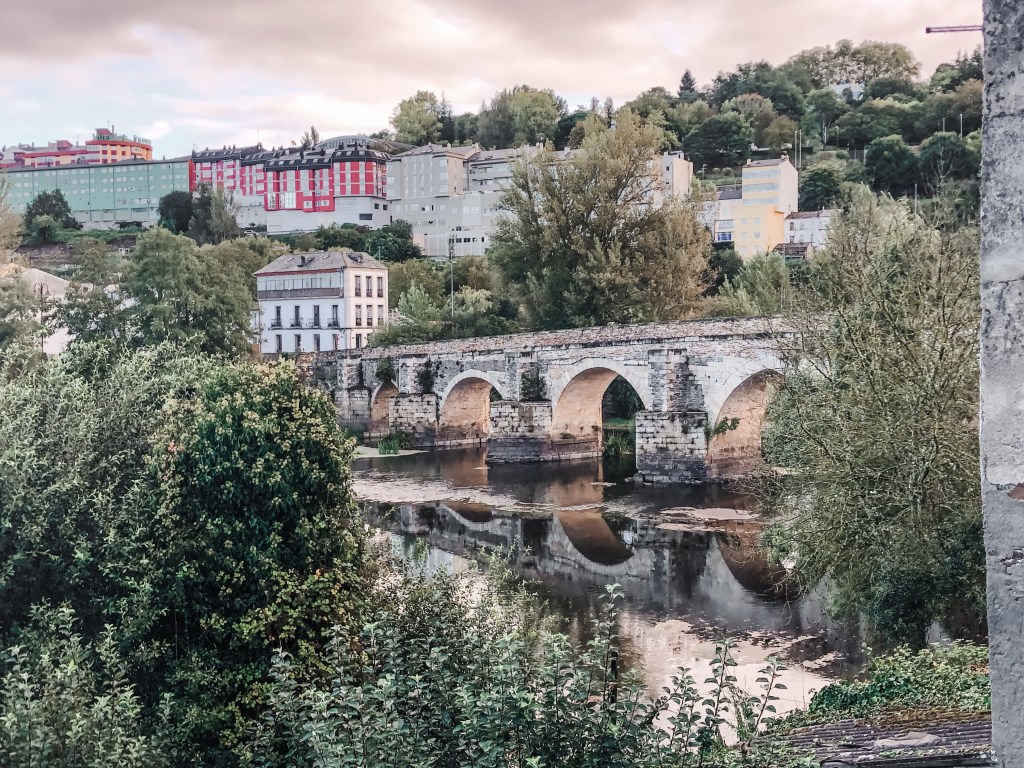
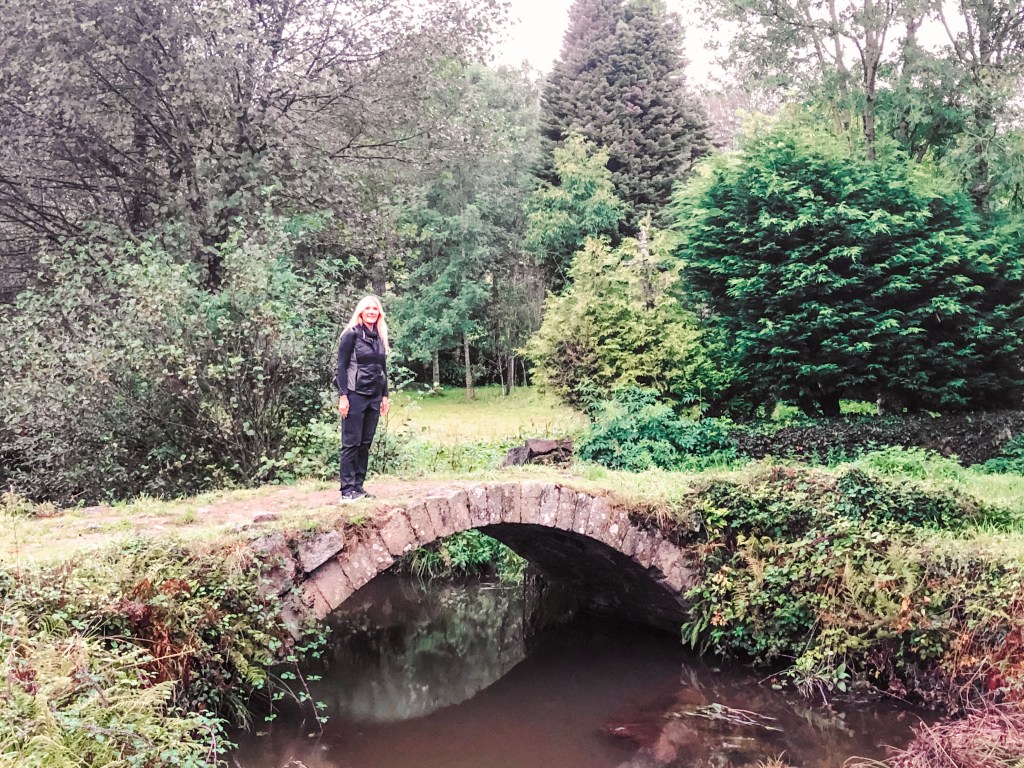
Joining the Camino trail in the chilly morning hours, while the city finally bedded down for the night, I walked, yawning, alongside Steve, noticing several interesting Gallego Hórreo with Christian crosses on one side and pagan phallic symbols on the other, existing right next to churches. At the Minho River, I admired the stonework and repairs over the centuries that kept this Roman bridge connecting the two banks. At the high point of the bridge, zipping up my jacket against the wind, I thought about the unspanned cultural bridges between us and the wild, myth rich Galicia we were walking through—quiet suburban Steve and I on one riverbank, and exuberant, forest spirit believing Spanish Gallegos on the other riverbank —an unbridged gulch between nocturnal night owls and the diurnal creatures who sleep when it gets dark.
Artists find the idea of a bridge between being awake and asleep, and the journey we take into sleep land, very appealing. One artistic image of sleep I find lovely was done by a surrealist artist in 1929 named Man Ray (born Emmanuel Radnitzky). He created camera-less photography called photograms. Man Ray manipulated this photograph he called Sleeping Woman, using heat to melt the medium making it appear dreamy yet real.

Surrealist artists were enthralled with the idea of tapping into the subliminal mind to find answers to mysteries. I wondered crossing the old Roman bridge if it was possible to connect with people on different banks of sleep schedules? And was there a moment, crossing that bridge from alert to drowsiness, where you could connect with the beyond? (I had a brief moment my third week into the Camino, just as I was nodding off into exhausted oblivion, where a family member that’s passed on, leaned in to say hello. A definite first for me.) If sleep was a bridge where we could meet halfway to connect to ourselves and others, was it a place where we could find common ground with Spaniards?
“A bridge connects instead of separates.” Santiago Calatrava

“Wisdom is just a bridge .”
Mehmet Murat ildan
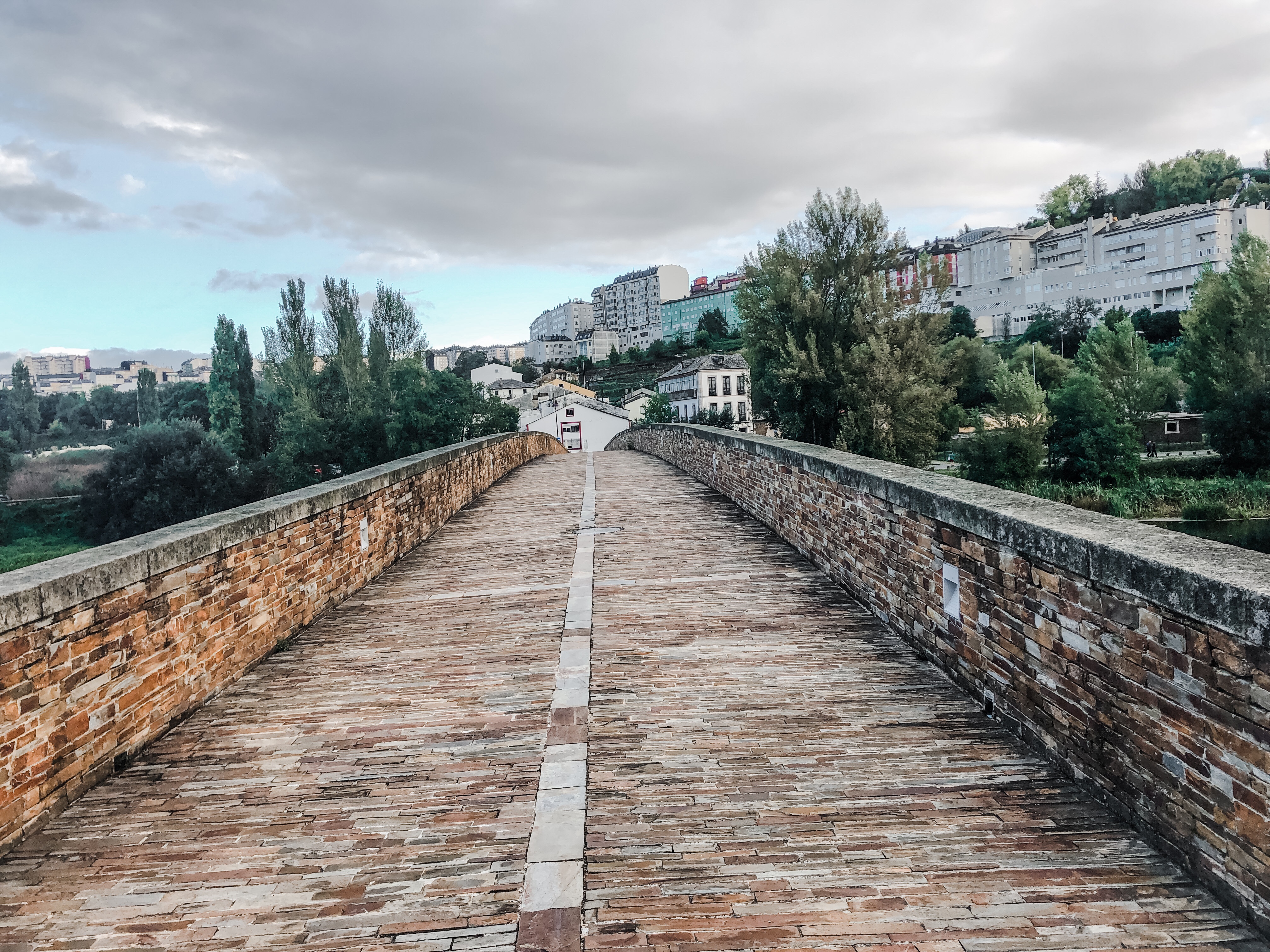
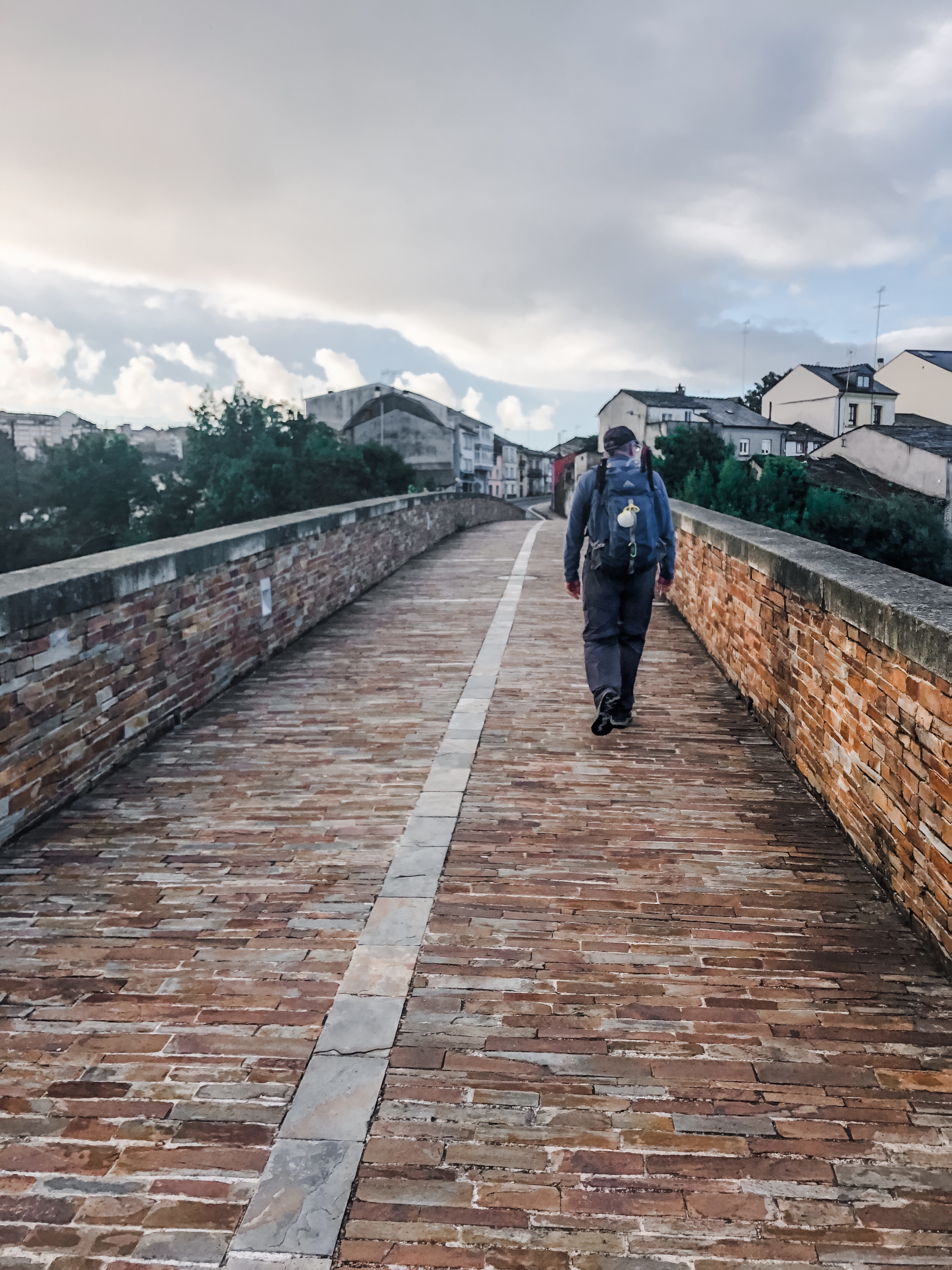
Roman Bridge 
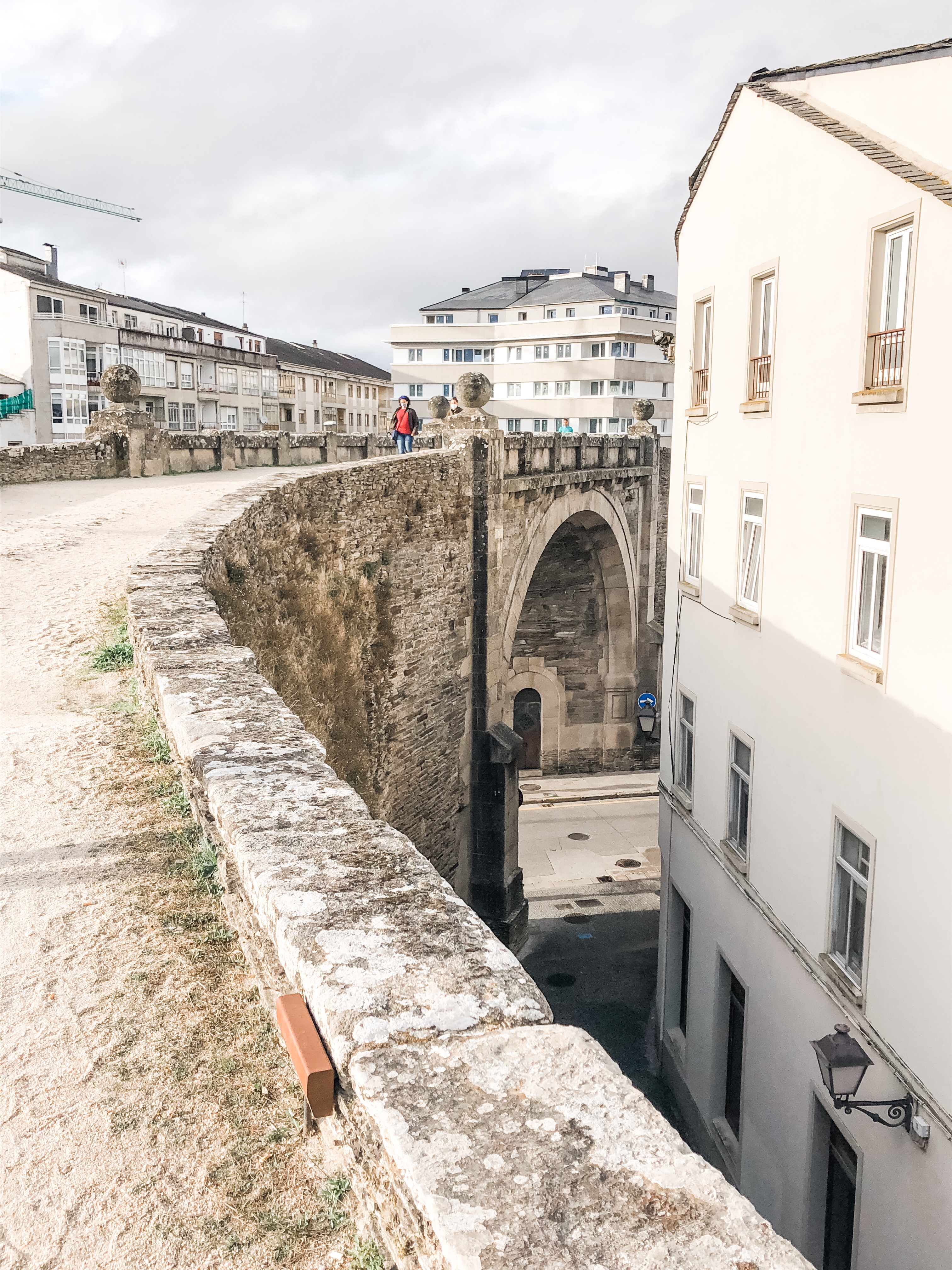

Roman Wall 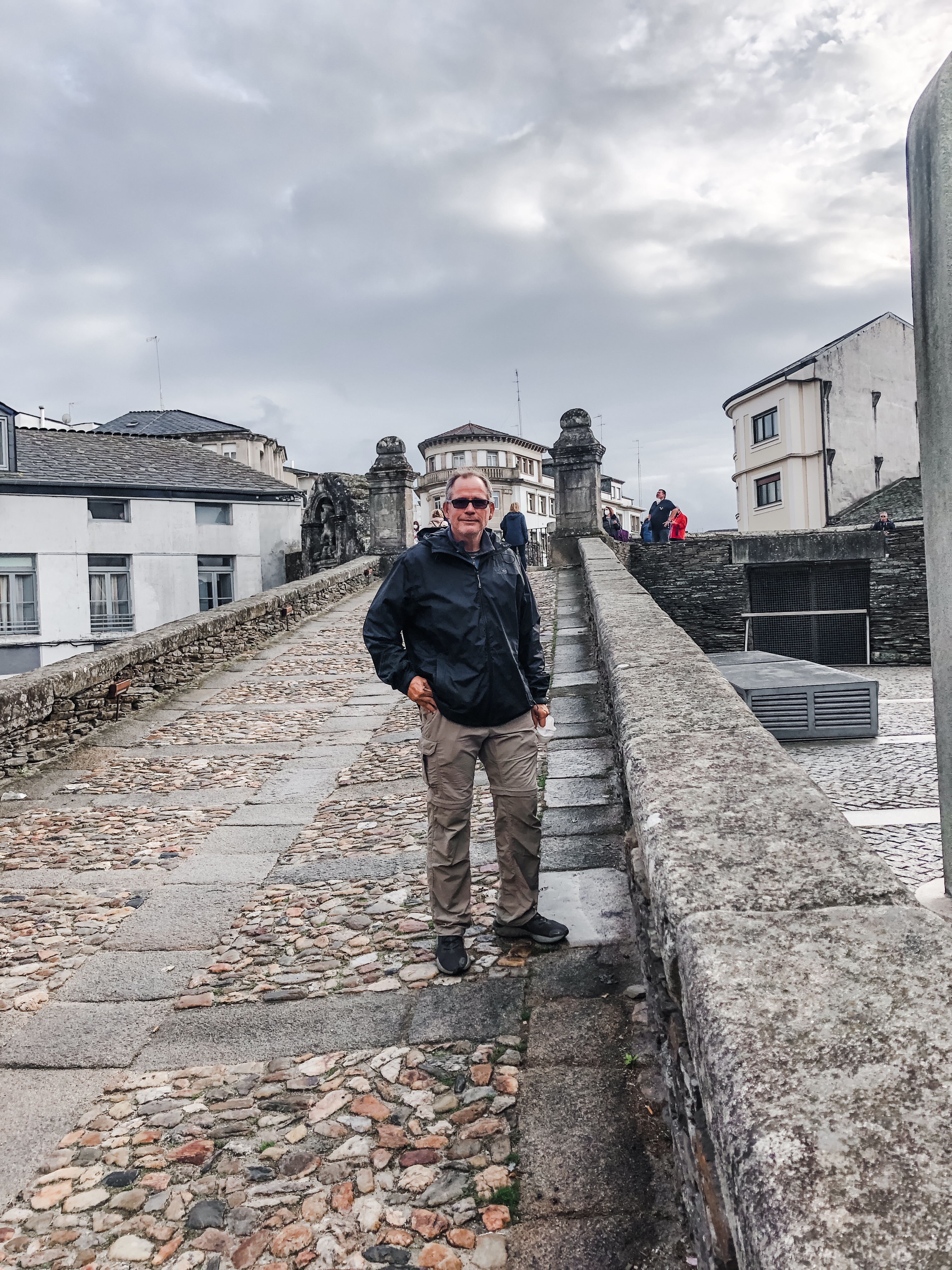
The idea circled back to my mind that here is always a bridge to people— it’s just finding the spot where we overlap.

“We should always keep a bridge standing and maintain it because bridges are what we all need to improve.” Nick Catricala

Roman milestone 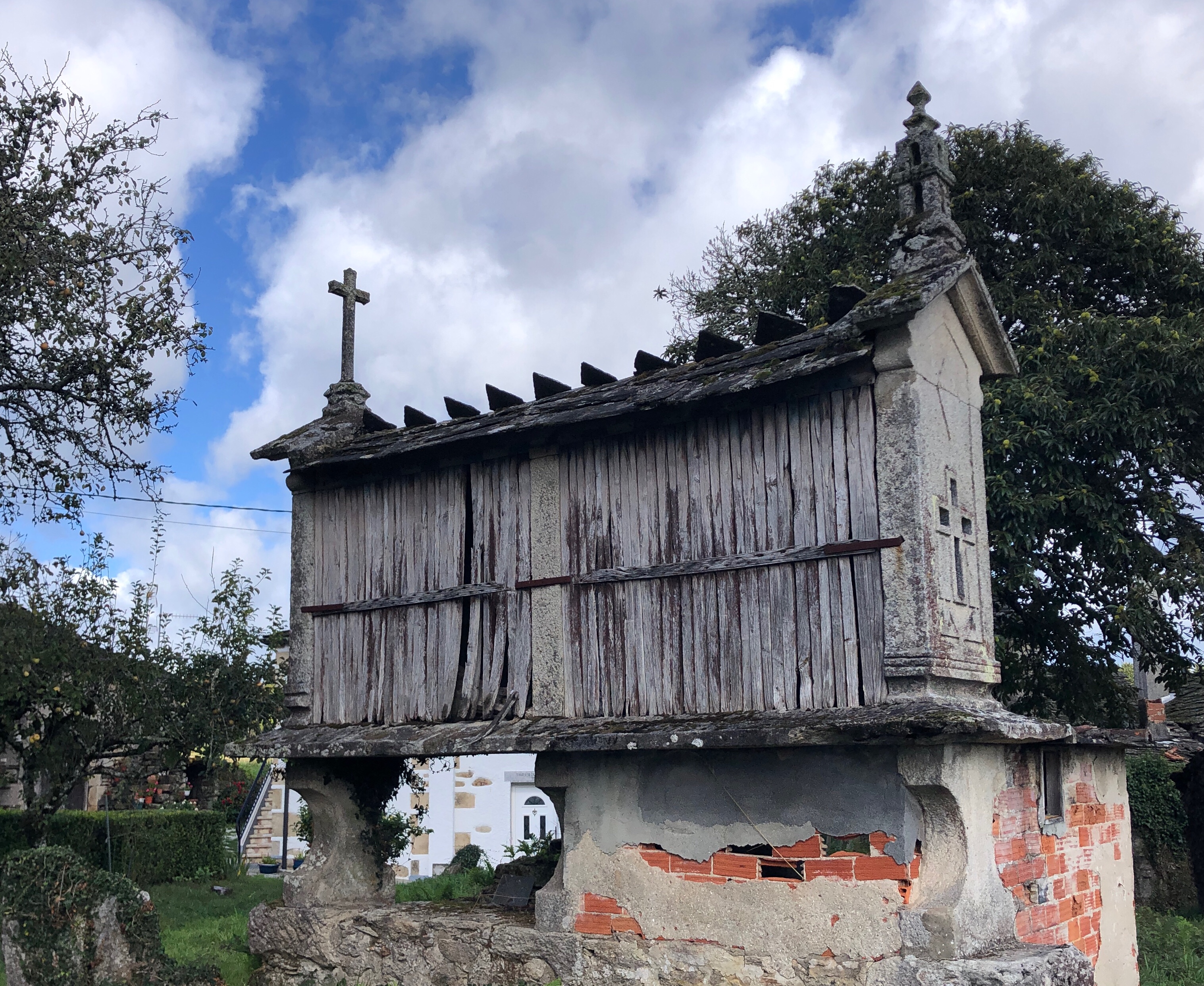
Roman type hórreo 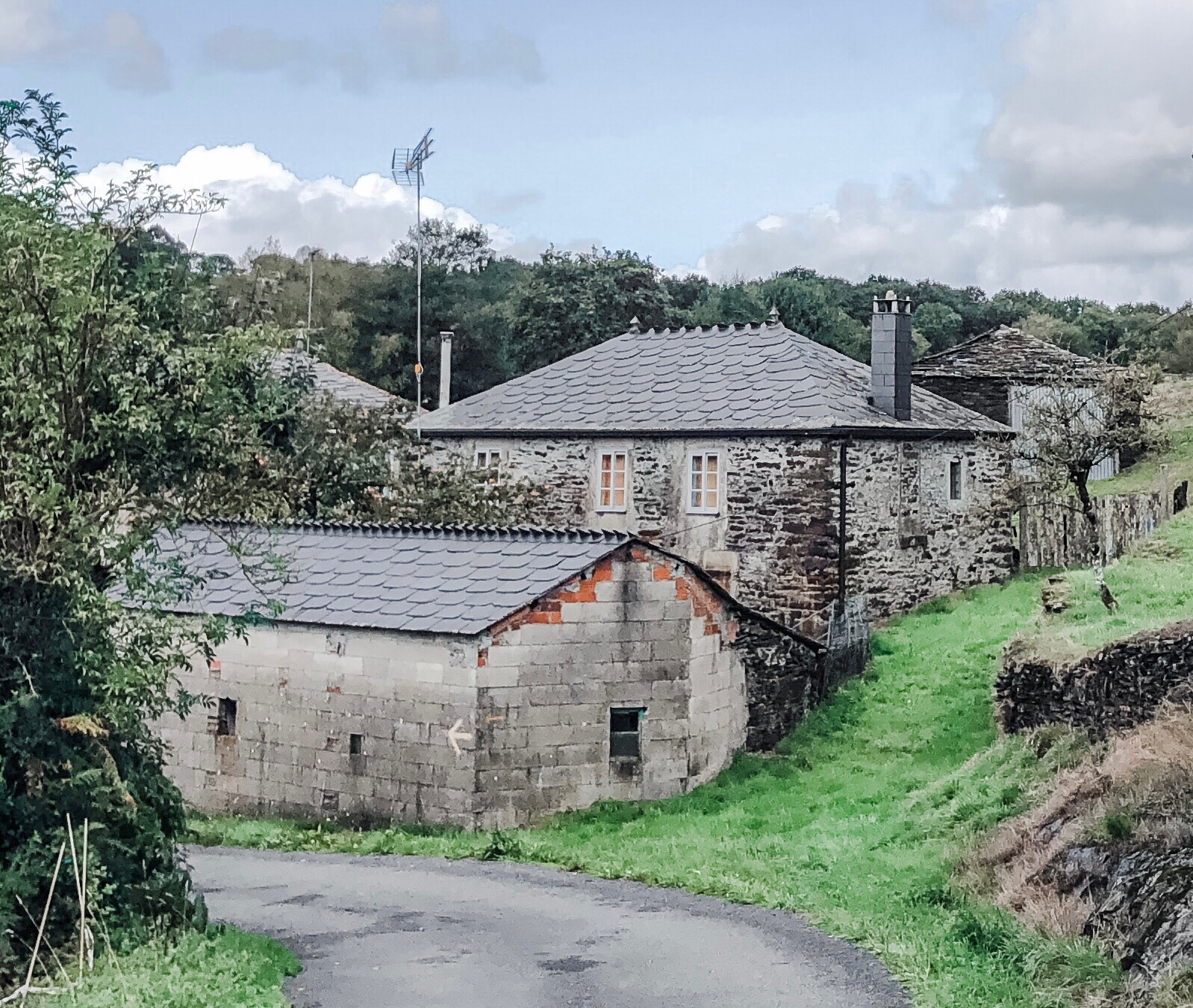

Touching the past 
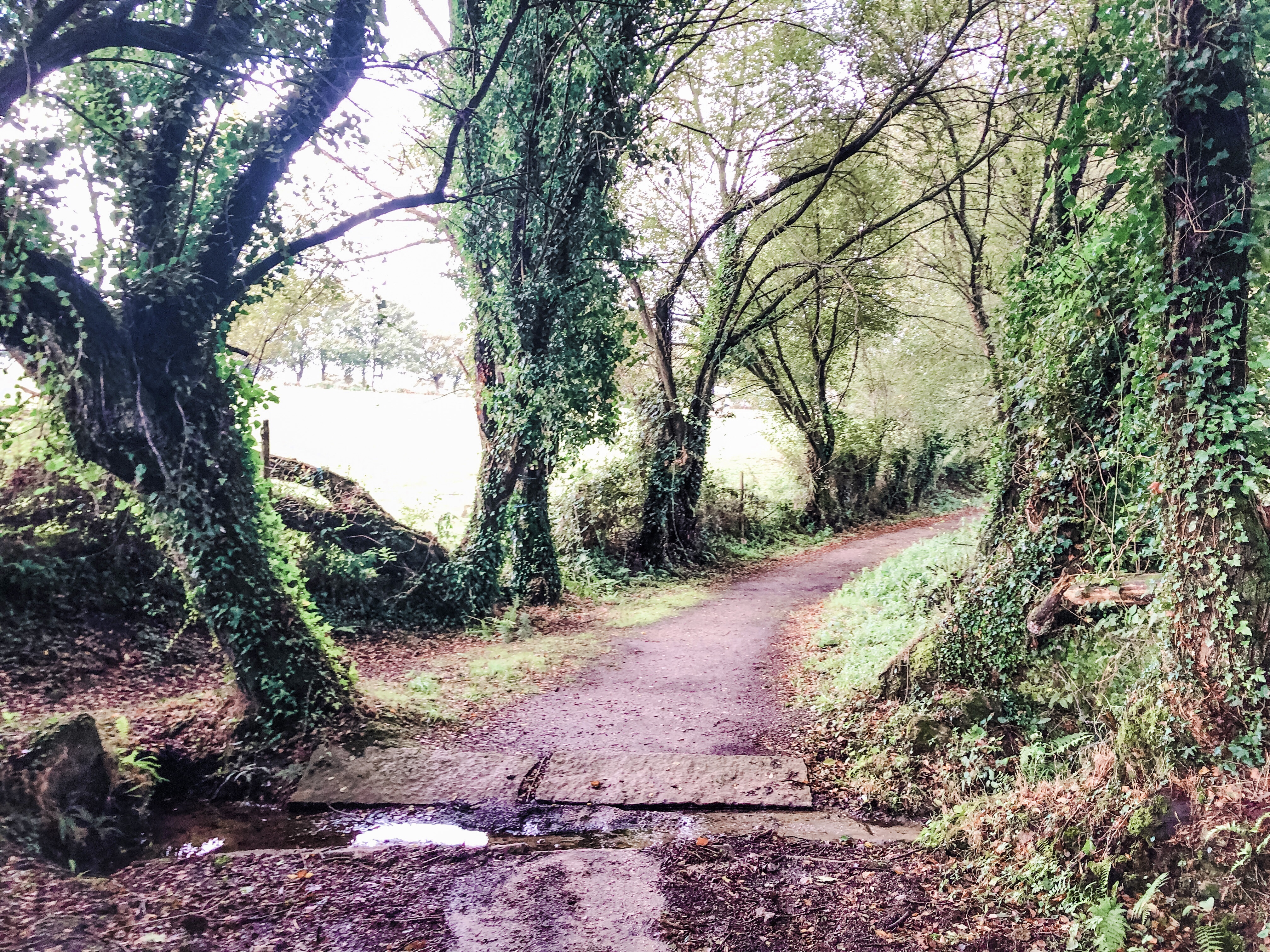
Later that afternoon we passed through an ancient segment of the Camino called San Romao da Torta. It had a Roman cylindrical milestone dedicated to Emperor Caligula that marked the distances between different populations. The town also had copies of Roman Hórreo to store corn and grain, that were longer and narrower than their Asturias cousins. This bridge to the past and present was as fascinating as the idea of milestones that mark the distances between people. Nearby, Stonecutters were rebuilding some rock homes of decades past. The binding link of old and new, and Roman and Gallego (Galician) was bridged.
Encourage others to create bridges of their own.” Nikos Kazantzakis
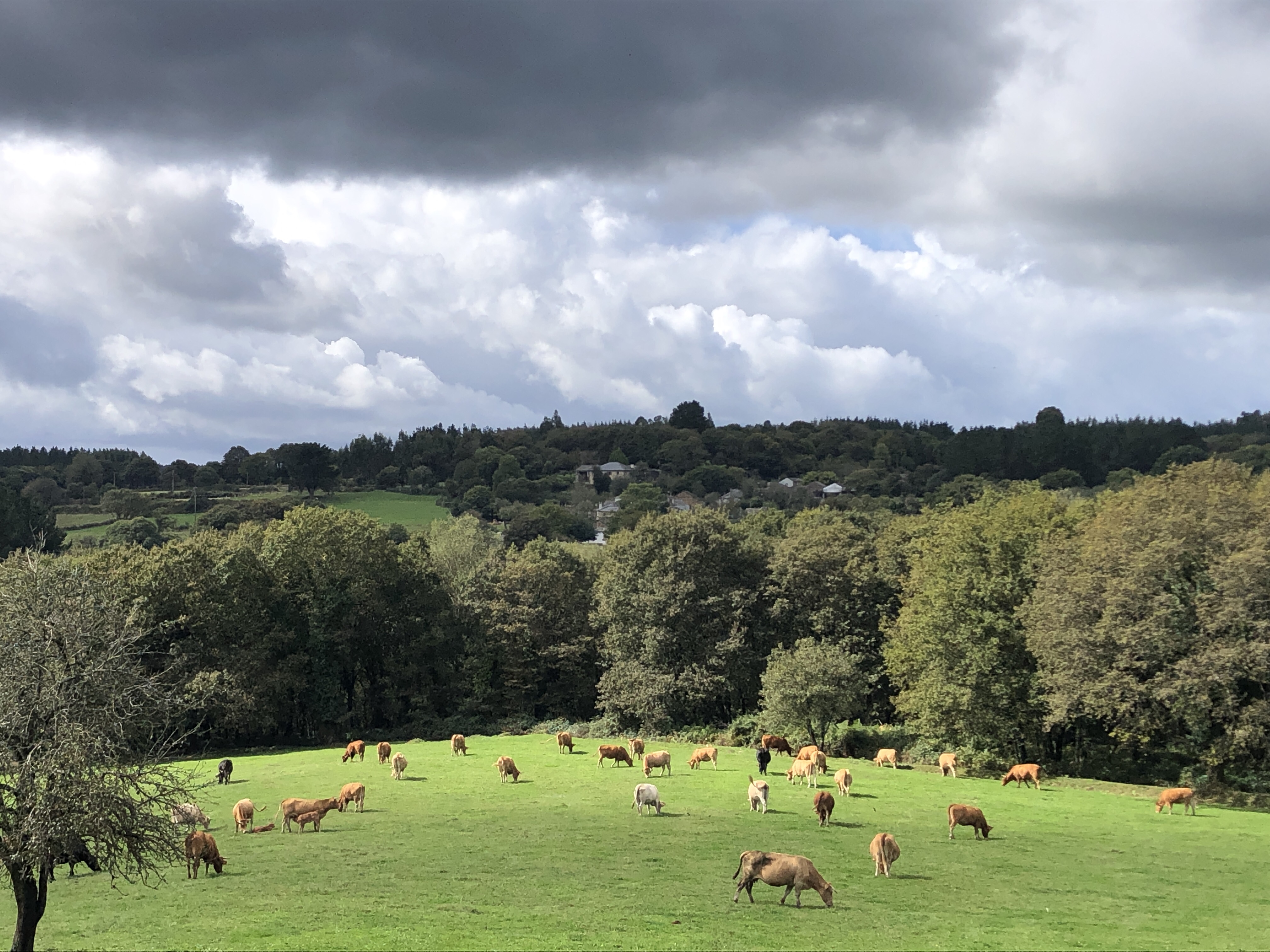
As we rounded a final bend to our accommodation in Ferreira, we ran into a farmer taking his cows from the field to the milk barn. This pastoral scene of herding cattle, flooded back childhood memories of walking cows to the barn to be milked. That moment was my bridge to Spaniards. There were Spaniards who still went to bed before midnight and got up early to tend animals and crops. It was a reminder of reaching out to people even when it seems like our side of the bridge will never connect with theirs. It was a milestone that marked a shorter distance between people.
Now we, strangers in a foreign land, are motivated to find other places where we merge with Spaniards of various communities. We are thoroughly loving the Spaniards we meet on the Camino and appreciate their generous and warm natures.
 The Unhurried Traveler
Leave a comment